
Apex Collective Can't Hide From Patch 4.5 at SGF
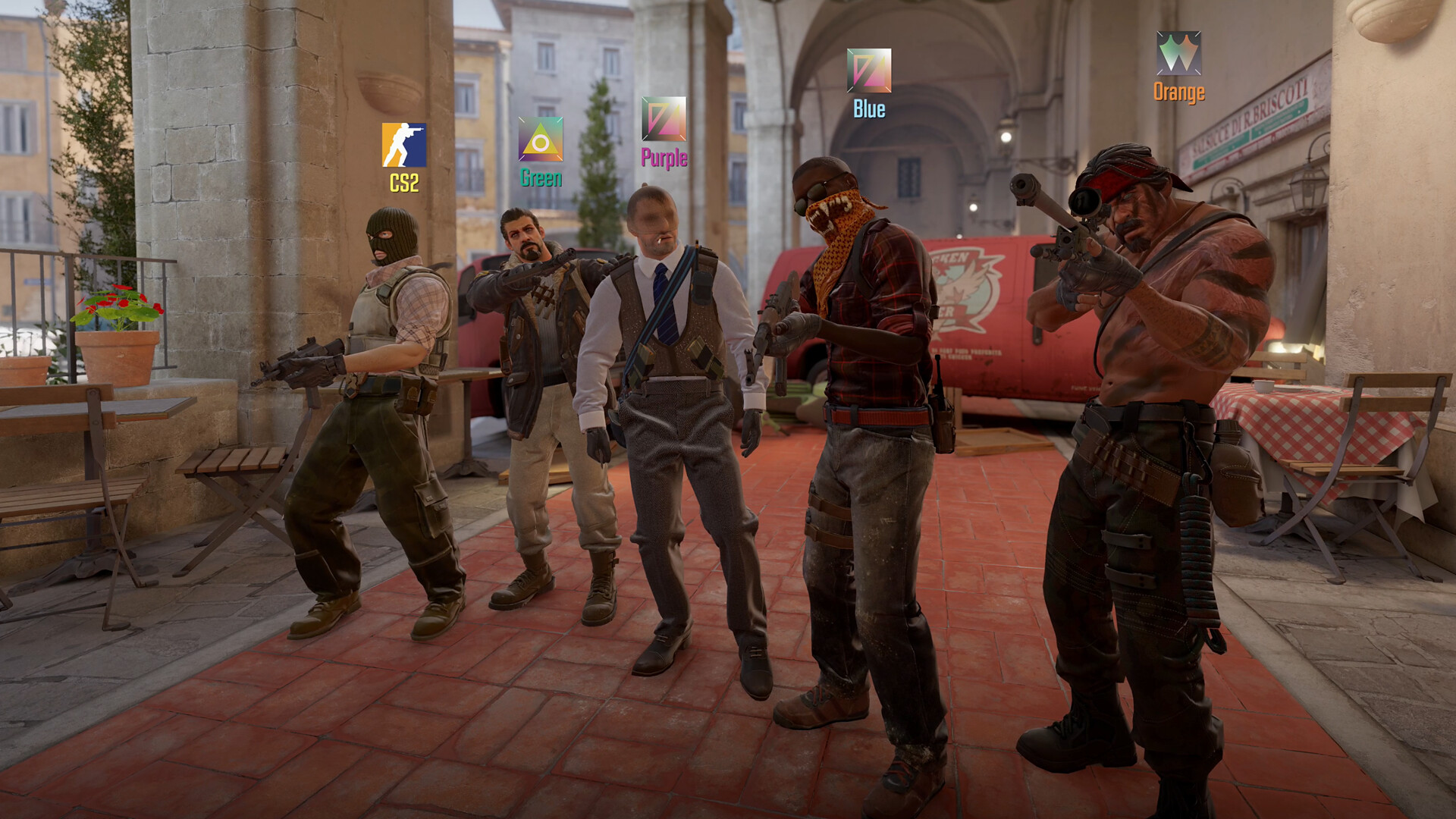
Apex Collective walked into the Summer Games Festival bracket looking like a team that had done its homework. Three weeks of bootcamp in Lisbon, a cleaned-up demo library, and a roster that — on paper — finally has the depth to absorb a bad half. Then Patch 4.5 dropped five days before the event, and the homework became irrelevant.
The patch hit three things Apex Collective had built their SGF preparation around: the movement timing on Mirage's B-apartments, the utility spread on the newly reworked Dust II mid-to-CT connector, and the suppressor audio normalization that had quietly made AWP peeks on Ancient significantly more punishing for the defending side. None of those changes are cosmetic. Each one reshapes how rounds are structured, and Apex Collective had structured a lot of rounds around all three.
What 4.5 Actually Changed
The movement friction adjustment in B-apartments is subtle enough that most analysts initially flagged it as a server-side artifact. It isn't. Valve's notes confirm a 4% increase in crouch-movement penalty on certain angled surfaces — the exact surfaces Apex Collective's entry fragger, Tobias 'Scalpel' Hermanns, uses for his signature wide-peek timing. His kill-to-round ratio on Mirage was sitting at 1.31 across the last two ESL qualifiers. That number is probably going to slip, at least while he recalibrates.
The audio normalization is the nastier problem. CS2's sound engine has been contentious since launch — players have complained about inconsistent positional cues since before the full release replaced CS:GO in 2023. Patch 4.5 attempts a correction, but what it's actually done is made AWP positioning on Ancient's A-site considerably more readable to the attacking side. Apex Collective's setup on Ancient heavily favors a passive CT-side AWPer holding long. That playstyle just became more expensive.
Roster Stability, Relative to the Field
To their credit, Apex Collective at least arrives at SGF with the same five players who finished second at Defrag Invitational in April. That's not nothing. Three of their group-stage opponents — Frontline Syndicate, Null Hypothesis, and eventual fan-favorite dark horse Kestrel Squad — all made roster swaps within the past six weeks. Kestrel in particular signed their new IGL, Kim 'Phazer' Dong-jun, with barely a month of scrim time before the event. Late additions at tournament level tend to fracture mid-game comms under pressure.
Apex Collective's IGL, Marta 'Veritas' Szymańska, has been calling for this lineup since February. That's eight months of accumulated read on how each player processes information mid-round. Her calling style — deliberate, heavy on mid-round resets rather than force-buys — suits a longer bracket. SGF runs a double-elimination format through to the quarterfinals, which gives Szymańska room to adjust across maps in ways that a single-elimination knockout would deny her.
Map Pool: Where the Real Problem Lives
The current active pool for SGF is Mirage, Inferno, Ancient, Anubis, Nuke, Vertigo, and Train. Apex Collective's public veto data from the past four months tells a clear story: they ban Nuke almost universally, pick Inferno when given first choice, and accept Mirage as a negotiated second. That predictability has been tolerable at the qualifier level. Against better-prepared opponents at SGF, it becomes a liability that any halfway-decent analyst team will exploit in the pre-match veto.
Their Vertigo numbers are the unresolved issue. Across eleven competitive maps on Vertigo in 2024, Apex Collective holds a 5-6 record, which sounds acceptable until you look at the scorelines. Four of those five wins came in overtime. Three of the six losses were 16-6 blowouts. That bimodal pattern — either they're competitive or they're getting dismantled — suggests the map isn't properly systematized in their playbook. It's a contingency they keep getting forced into rather than a map they own. Post-4.5, with the audio changes affecting upper-platform positioning, Vertigo just got harder to wing.
Bracket Position and the Path Forward
Apex Collective drew into Group B alongside Frontline Syndicate and Viridian Wolves, which is a manageable opening — Frontline's new roster hasn't had time to develop mid-game structure, and Viridian Wolves have been in visible decline since their star rifler, Leo 'Fracture' Brennan, moved to a streaming-first schedule and trimmed his scrim hours. Both matchups are winnable. The problem is that winning Group B likely puts Apex Collective directly across the bracket from either Sable Esports or the resurgent Red Meridian roster, both of whom have analysts who definitely watched the same Scalpel demo tape.
The double-elimination safety net helps, but it also means a slow group exit produces a lower-bracket run that compresses map time and limits Szymańska's ability to reset between series. Two years ago, Apex Collective's predecessor lineup — before the three-player rebuild in 2022 — lost a lower-bracket semifinal at a similar event because the format gave them four maps in fourteen hours. The current roster is more experienced, but fatigue is a flat tax.
Scalpel Is the Variable
Everything accelerates or collapses around Hermanns. When his timing is sharp, Apex Collective's CT setups are difficult to read because he creates early-round information that most entry plays don't account for. When he's off — or, as may happen in these first rounds, adjusting to movement changes he hasn't fully internalized — the team's opening duels become reactive rather than proactive, and Szymańska ends up calling from a deficit. She's good enough to manage that. It just costs rounds.
Hermanns spoke briefly to press on day one and said, with the kind of flat honesty that makes him either likeable or unsettling depending on your tolerance, that he had 'about forty percent of the adjustment done.' That is a strange thing to say publicly. It's also probably true.
What a Reasonable Expectation Looks Like
Apex Collective targeting a top-six finish at SGF isn't delusional. Their tactical foundation under Szymańska is the most coherent it has been in eighteen months, their support players — particularly Ines 'Veil' Caetano, who has quietly posted some of the best flash-assist numbers in the European tier-two scene — are underrated by the broader community, and the double-elim format rewards consistency over flash.
But Patch 4.5 didn't arrive to make anyone's life easier. The teams that come out of SGF looking credible will be the ones who stopped treating the new patch as a disruption and started treating it as the baseline. Apex Collective has the structure to do that. Whether five days of adjustment was enough time is the only question that matters now, and the Mirage veto on day two will answer it faster than any press conference.
Reader Q&A
How are tournament results verified?
We pull directly from the publisher's official broadcast feeds and tournament databases (HLTV, Liquipedia for community-tracked data).
Will brackets and seedings be updated as the event progresses?
Yes — major events get live coverage; bracket updates land within hours of each match.
How do you handle roster changes mid-season?
Roster updates are confirmed via team announcements before being reflected here. We avoid unconfirmed rumors.
Reader comments