
Nova9 came to PAX East with a patch 2.5 Elden Ring meta nobody had mapped yet
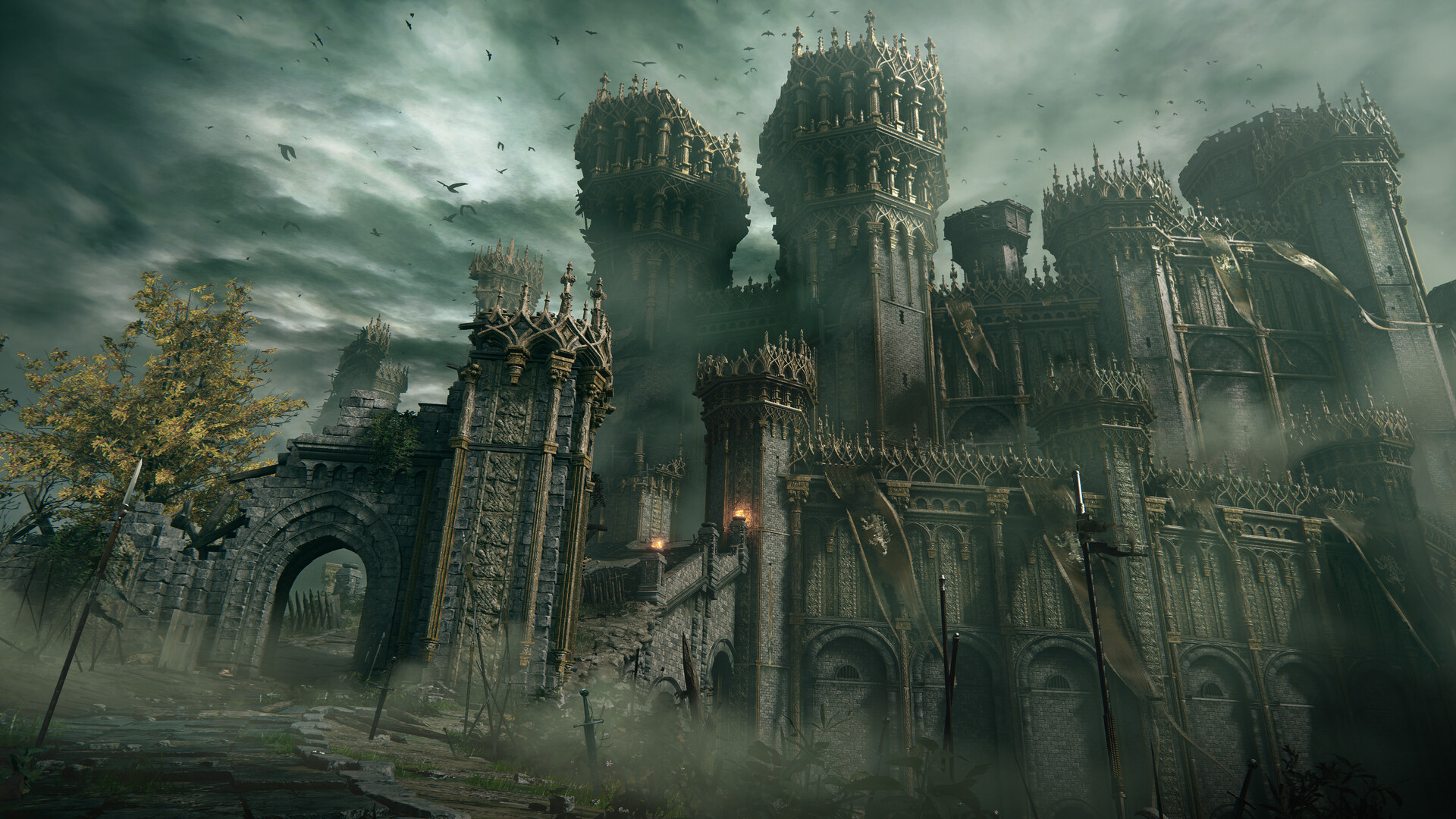
A single image from the NikauZonePlay booth at PAX East: three monitors running Elden Ring simultaneously, each displaying a different Colosseum build, while a whiteboard behind them is covered in stamina breakpoints and poise calculations written in two different colors of marker. Nobody had announced this was happening. There was no press release. Nova9, a competitive Elden Ring team operating out of Auckland, just showed up with a patch 2.5 metagame framework that the broader PvP community hadn't publicly documented yet.
That kind of quiet confidence is either foolish or earned. In Nova9's case, it appears to be earned. Over the three days of the event, they ran open challenge sessions — walk up, queue, fight — and the results were uncomfortable for anyone who thought they'd solved the current patch. Their builds weren't secrets in the sense of exploits. They were the product of systematic testing that most of the scene simply hadn't done yet.
h2
What patch 2.5 actually changed
FromSoftware's patch notes for 2.5 ran to roughly 1,400 words when translated from Japanese, covering weapon adjustments, Ash of War tuning, and hitbox corrections on several spells. On paper, nothing looked catastrophic. The community consensus coming into PAX East was that the patch had been a mild stabilizer — tightening the gap between some overperforming Dex builds and bringing Hemorrhage back into a reasonable range after the overcorrection in 2.4.
What Nova9's framework identified was a second-order effect nobody was publicizing: the stamina recovery changes interact with medium-load poise thresholds in a way that makes certain trades statistically more favorable than they'd been in any previous patch. Specifically, weapons in the curved greatsword class — the Morgott's Cursed Sword and Bloodhound's Fang in particular — now have recovery windows tight enough to chain trades against hyperarmor builds in ways that were previously punishable. It's not a bug. It's math that the patch notes gestured at without spelling out.
How Nova9 built the framework
Team captain Rhys Hartmann described the process in a conversation at the booth as about six weeks of structured PvP logging. The team used a shared spreadsheet — nothing proprietary, just Google Sheets — to track match outcomes against specific build archetypes, noting stamina states at the start of each trade and whether the follow-up was punished. Around 2,200 logged exchanges before PAX. That volume of data isn't unprecedented in fighting game communities, but for an action-RPG PvP scene that still runs partly on intuition and Discord argument, it's unusual.
The other piece was build standardization for testing purposes. A common problem in Elden Ring PvP analysis is that variables multiply fast — different talismans, different Flask of Wondrous Physick mixes, ring choices that shift invisible thresholds. Nova9 ran control builds with fixed loadouts specifically to isolate the stamina recovery variable. It sounds obvious stated plainly. Most people don't do it.
The PAX East runs
Watching the open challenge sessions, a few things stood out immediately. Nova9's fighters weren't trying to look impressive. They were playing efficiently — positioning, baiting, exploiting the specific recovery windows they'd identified — in ways that looked almost boring until you realized what they were doing. One challenger running a Faith-quality hybrid with Sacred Relic Sword got dismantled in four consecutive matches and stood there afterward visibly puzzled, because nothing Nova9 did looked like a hard counter on the surface.
The losses were instructive too. Two challengers using Rivers of Blood — still playable despite the 2.4 Hemorrhage adjustment — forced Nova9 into adaptive play that didn't always work. Bleed still applies pressure that the curved greatsword trades framework doesn't fully account for, and Hartmann acknowledged this openly: the current build is strong against quality and strength archetypes, weaker against dedicated status-effect pressure. That honesty actually made the framework more credible, not less.
Where the competitive scene stands
Elden Ring's competitive PvP has always had a structural awkwardness. The game was designed around invasion and cooperative play, not a formal tournament mode, and the Colosseum arenas added in the Shadow of the Erdtree expansion period improved the situation without resolving it entirely. There's no spectator mode worth using, matchmaking is inconsistent across regions, and the absence of a ranked system means the scene runs on community-organized brackets and goodwill. Nova9 operates in this environment because they find it interesting, not because there's significant prize support pulling them toward it.
That said, the scene has been growing. The Tarnished Colosseum Discord, currently running about 14,000 members, has moved toward more formalized ruleset discussions this year, including build restrictions that attempt to curb some of the more degenerate defensive strategies. Whether those restrictions make the game better to watch or just more palatable to organize is an open question — competitive communities always argue about this, and Elden Ring's community is no exception.
What Nova9's presence means for the meta going forward
Information like this doesn't stay contained. By the time the PAX East footage circulated through YouTube and Twitch VOD channels — some of it clipped within hours — the stamina recovery interaction was already being discussed on Reddit and the Tarnished Colosseum server. Nova9's framework will get stress-tested, refined, and probably partially refuted by people with more time and more adversarial build choices. That's how meta development actually works: someone does the structured work, publishes it through their play, and then a larger community with distributed testing capacity tears into it.
FromSoftware will patch again, presumably. Whether 2.6 addresses the stamina recovery interaction directly or shifts pressure elsewhere is unknowable. What's notable is that Nova9 came to a public event not to demo a finished theory but to pressure-test one in real conditions, against real opponents, with enough transparency to show their work. That approach — systematic, honest about its limits, willing to lose — is rarer in competitive scenes than it should be, and it made the whiteboard full of stamina breakpoints the most interesting thing on the PAX East show floor.
Quick facts
How are tournament results verified?
We pull directly from the publisher's official broadcast feeds and tournament databases (HLTV, Liquipedia for community-tracked data).
Will brackets and seedings be updated as the event progresses?
Yes — major events get live coverage; bracket updates land within hours of each match.
How do you handle roster changes mid-season?
Roster updates are confirmed via team announcements before being reflected here. We avoid unconfirmed rumors.
Reader comments