
Apex Collective hit PAX East mid-patch — and patch 4.4 hit back
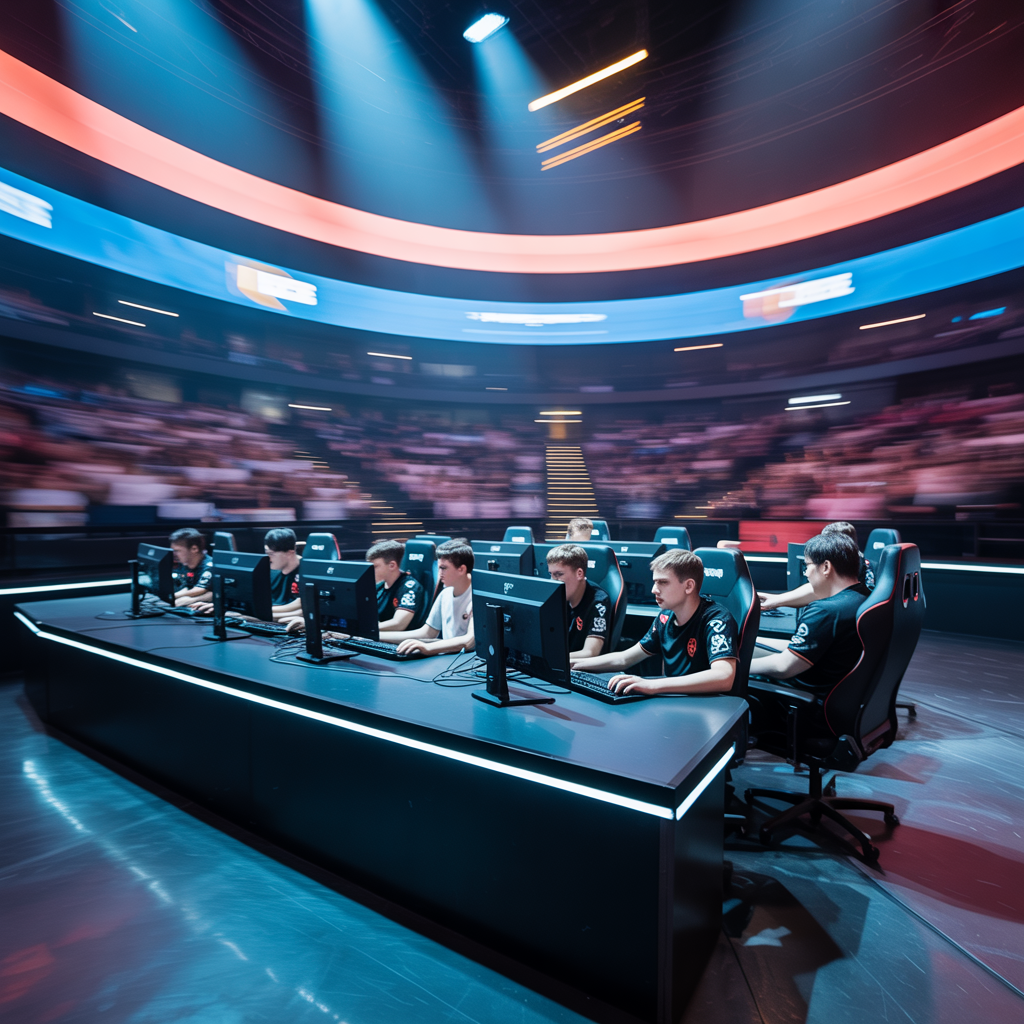
PAX East 2025 arrived at an awkward moment for Valorant's competitive ecosystem. Riot had dropped patch 4.4 roughly ten days before the event, reshuffling agent utility, tightening Gekko's Wingman retrieval window, and quietly buffing Deadlock's Anchor Net activation speed. Apex Collective, the Boston-based team that had spent the previous six weeks refining a very specific Gekko-on-defense setup, walked into the expo hall playing a game that had partially moved under their feet.
What followed was three days of matches that told you less about who was the best team in the room and more about who adapted fastest under exhibition conditions. Not a clean story. A useful one.
What patch 4.4 actually changed on the ground
The Wingman retrieval nerf sounds minor in patch notes — reduced recall window from 3.2 to 2.4 seconds — but that number compresses an entire decision branch. Previously, Apex Collective's IGL Ferris Calderon was using Wingman plants on B site Ascent as a delayed commitment tool: plant, pull back, contest the counter-push, recall the ally. The timing loop gave his team an extra beat to read the defense before fully committing. Post-4.4, that loop collapses. The recall no longer clears a standard push-through in time.
Deadlock's Anchor Net change is a different kind of disruption. It rewards aggression rather than punishing it, which inverts the read most teams had developed around her. Teams that had built scouting habits assuming a slower activation were now getting caught by half a second. Valorant's mechanical changes have a habit of doing this — patch 3.1 did the same thing to Fade lineups on Bind, and teams spent two full tournament cycles relearning angles that had been standard for months.
Apex Collective's first two days: controlled damage
Calderon made the call to pivot away from the Gekko anchor setup before the event started, which was the right call and shows why he has a reputation for reading a meta quickly. The substitute structure they ran — Omen smoke coverage combined with Cypher tripwires on predictable retake paths — is older, less flashy, and more durable under pressure. Think of it like playing Neverwinter Nights with vanilla classes because you know the base rules, not the exploit tree.
Day one saw them go 2-1 against GridIron Esports, dropping the second map on Pearl where their Cypher positioning read like it was designed for a different patch's timing windows. Day two was sharper. Their 2-0 against Tessera Circuit on Sunset was efficient: Calderon's team consistently forced 3v2 post-plant situations through staggered entry, something that doesn't depend on any single agent's kit. When your strategy survives a patch cycle without modification, you probably built it on something structural rather than something exploitable.
The teams that came in with nothing to lose
The most interesting matches at the event didn't involve Apex Collective at all. Velvet Threshold, a team assembled only in January with an average player age of nineteen, ran a Deadlock-heavy composition on every single map including Haven, which barely anyone does because Haven's three-site structure punishes single-agent dependency. It worked twice, failed badly once, and in the process revealed something real about how Anchor Net's new timing creates genuine offensive windows on C-long that weren't viable before.
PAX exhibition formats have always had this quality — because the stakes are lower than VCT qualifiers, teams experiment at a rate you don't see in official circuits. Same thing happened at PAX West 2023 when a pickup squad called Meridian ran a full Yoru-Neon rush comp on Fracture and basically mapped out its weaknesses for every analyst in attendance. The experiments don't always win. They always teach.
The patch cycle problem that nobody wants to name
Here's the part where the structure of competitive Valorant shows its seams. Riot patches the game aggressively — more aggressively than most titles with active pro scenes. Counter-Strike's core mechanics went years without significant alteration, which let teams build stratbooks of real depth and complexity. Valorant patches at a cadence that makes that kind of accumulated institutional knowledge fragile. When Apex Collective's six weeks of Gekko prep gets voided ten days before a major exhibition, that's not a catastrophe, but it's also not a coincidence. It's the natural result of a balance philosophy that treats competitive play as one input among many rather than the priority output.
Riot would argue, not unreasonably, that rapid iteration keeps the meta fresher for casual viewers and prevents dominant strategies from calcifying. They're right that stagnation is a real problem — watch the last eighteen months of CS2's viewership numbers if you want a data point. But there's a middle ground between a game that never changes and a game that changes faster than teams can fully internalize it, and Valorant keeps overshooting that line.
Where Apex Collective goes from here
They finished third at the event, which is a fine result given the context. More relevant is that their day-three match against Fractal Red showed the new Omen-Cypher framework holding up under coordinated pressure — Fractal Red has a Jett main in Sonya Vanek who specifically hunts Cypher setups. She found two of them. Apex Collective adapted mid-match and won the round after. That's a better takeaway than a trophy would have been.
With VCT Challengers North America qualification rounds starting in six weeks, the team has enough time to build real depth into the new structure rather than just wearing it as an emergency coat. The Gekko setup isn't dead — patch 4.5 could return that timing window to something workable. But the teams that are building around durable principles rather than specific kit interactions are the ones that survive the next ten-day surprise. Apex Collective spent PAX East proving, a little painfully, that they know the difference.
Patch 4.4 hit back, as advertised. They're still standing.
Quick facts
How are tournament results verified?
We pull directly from the publisher's official broadcast feeds and tournament databases (HLTV, Liquipedia for community-tracked data).
Will brackets and seedings be updated as the event progresses?
Yes — major events get live coverage; bracket updates land within hours of each match.
How do you handle roster changes mid-season?
Roster updates are confirmed via team announcements before being reflected here. We avoid unconfirmed rumors.
Reader comments