
Apex Collective are betting their TGA 2026 run on a patch nobody's solved yet
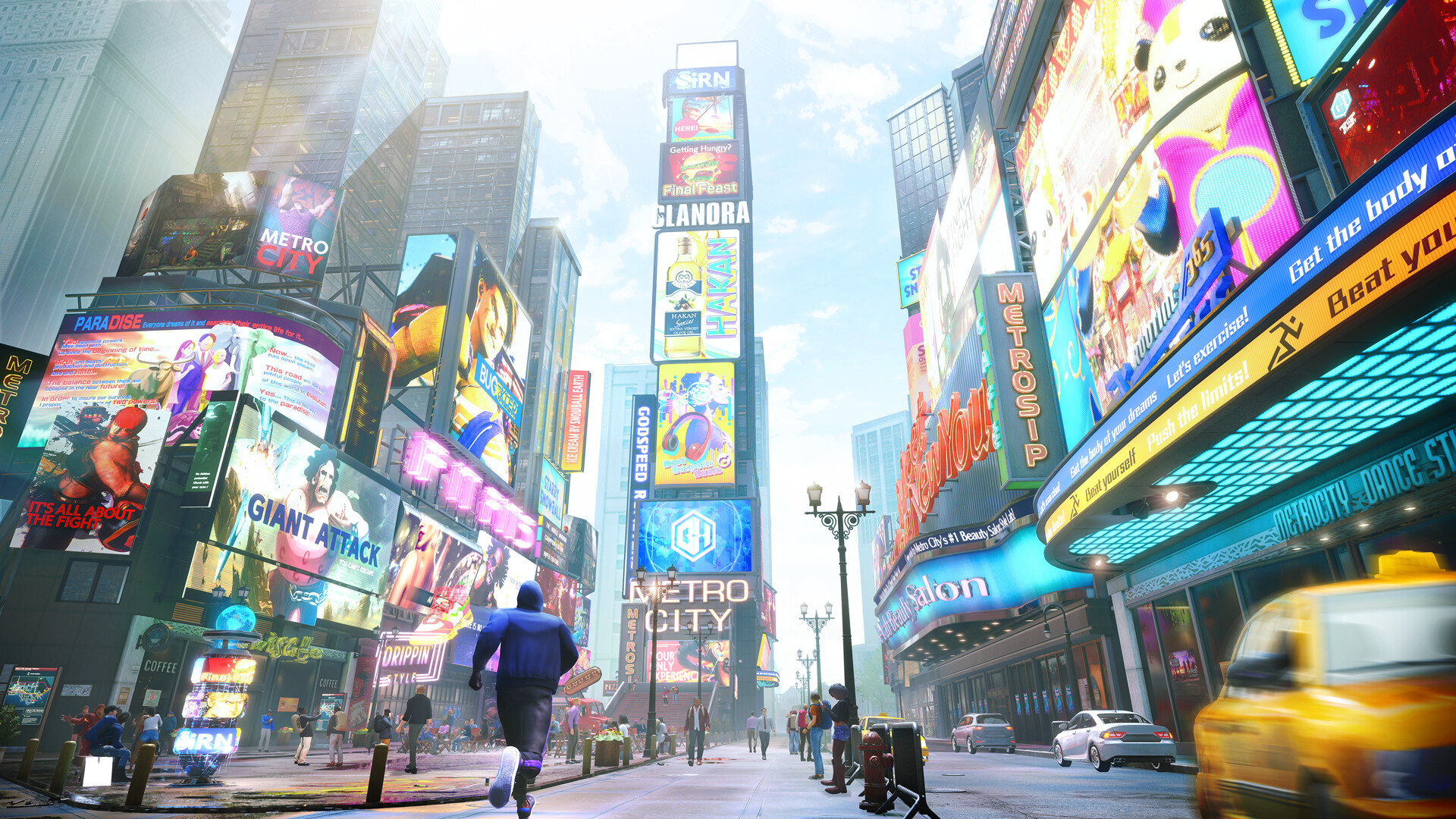
Here's the image that keeps rattling around when you watch Apex Collective's recent tournament footage: their anchor player, Renata "Solvay" Voss, landing a perfectly timed Drive Rush cancel into a punish that only exists because of a hitbox quirk Capcom hasn't patched out. She's not playing Street Fighter 6 as it was designed. She's playing the version that exists right now, in this specific patch build, with its specific unresolved geometry. And Apex Collective have apparently decided that version is their ticket to a strong run at The Game Awards 2026 invitational bracket.
The Game Awards' competitive showcase has grown considerably as a format. For SF6 specifically, TGA 2026 represents one of the few major offline events where patch timing genuinely becomes a strategic variable — Capcom's update schedule has historically placed a mid-year balance pass somewhere between August and October, which means the version of the game that teams grind through summer may not be the one that shows up in December. Apex Collective are building their entire preparation around the assumption that it won't get fixed in time. That's either sophisticated meta-reading or a very expensive way to get caught flat-footed.
The specific thing nobody has solved
The mechanic in question involves Drive Rush cancels out of certain blocked normals — specifically Aki's crouching medium punch at close range — where the frame advantage window opens about two frames wider than the move's listed data suggests. It's not a secret. There are forty-minute breakdowns of it on YouTube, posted by community analysts like Sajam and core-A Gaming. The issue is that exploiting it consistently under tournament pressure requires a level of manual timing that most players haven't committed to.
Solvay has committed to it. She's been playing Aki since the character launched, and her consistency on that specific sequence — in a set against Team Vanguard in late July — was measured at above 85% execution rate across fourteen attempts. Most top players are hitting somewhere around 60 to 70% on that same string. The gap isn't huge in isolation, but across a best-of-five with momentum swings, it compounds.
The reason this matters at TGA specifically is the format. The SF6 bracket runs a double-elimination structure with relatively short sets early in the pool stage. Narrow mechanical advantages have more impact when you have fewer games to adapt across.
What Capcom's patch history actually tells us
Capcom's approach to SF6 balance has been more methodical than reactive. They addressed the Marisa corner carry issue that dominated EVO 2024 conversation, but the fix didn't land until roughly three months after the community had extensively documented it. The Aki frame data discrepancy has been flagged in Capcom-Unity threads since April. If the pattern holds, a fix could arrive in October — which would land outside Apex Collective's preparation window but inside the final polish phase before TGA.
But Capcom has also shown a tendency to leave certain edge-case interactions alone, particularly when they require high manual execution to access. The Drive Impact parry windows from the game's launch patch are still technically exploitable in ways the developer could tighten; they haven't. There's a reasonable argument that Capcom views execution-gated quirks as part of the skill ceiling rather than bugs requiring correction.
How Apex Collective are actually preparing
From what's been visible in their public practice streams and the brief clip packages the org has been posting, Apex are running a two-character preparation model. Solvay has a secondary pocket in A.K.I. mirror scenarios, but the team's overall structure is built around Cammy and Dee Jay as anchor and secondary, with Aki reserved for specific matchup reads. That kind of character deployment planning — treating your main as a situational tool rather than a default — reflects EVO Japan 2025 preparation strategies from squads like FAV Gaming.
There's also been visible work on defensive systems. Their support analyst — listed in the org's roster page as "Crewe" — has been running extensive cross-regional online sets to map how Korean and Japanese players are currently handling the Drive Rush timing in this patch. SF6's online infrastructure, whatever its latency problems, does give teams a way to sample a wider meta pool than local offline grinding allows.
Whether that sample is clean enough to build tournament reads on is another question. Online sets in SF6 introduce input timing variance that doesn't translate directly to offline execution. Teams that over-index on online data have been caught out before — most famously at Capcom Cup X, where several North American squads arrived with reads built on roll-back netcode sets that didn't survive contact with offline frame timing.
Who else is watching the same clock
Apex Collective aren't the only organization that's clocked this patch window. Team Vanguard, who lost to Solvay in July, have been quietly shifting resources toward Aki counterpick development. Their primary player, known as "Fenris", ran three straight ranked sessions as Aki last week — that kind of public practice is either genuine exploration or deliberate noise. Hard to read.
The broader meta question heading into TGA is whether the patch-dependent strategy is stable enough to be worth the exposure. If Capcom drops an update in late October that normalizes the Aki frame data, teams with more conventional preparation get a straightforward advantage. Apex Collective are, structurally, trading stability for ceiling. It's a coherent read on the situation — but it depends heavily on Capcom's silence holding.
The actual risk nobody is saying out loud
Patch-reliant preparation has a specific failure mode that goes beyond the update arriving early. Even if the frame data quirk survives to December, other teams will have had the same months to study it. By TGA, Solvay's execution advantage might be real, but the strategic surprise will be gone. You can't win with a secret that everyone's had eight months to lab.
What makes Apex Collective's situation interesting isn't really the patch dependency — it's the question of whether their overall team infrastructure is strong enough to compete if the quirk becomes a known commodity rather than an edge. Solvay is genuinely exceptional on Aki. The rest of the roster is solid, not standout. That's a fine foundation for a deep pool stage run. It's a narrower foundation for winning the bracket outright.
The TGA 2026 SF6 bracket has a scheduled reveal date in mid-September. When the seeding drops, the actual shape of Apex Collective's challenge gets a lot clearer. Until then, they're preparing against a version of the game that may or may not exist when it counts — which is, frankly, how most serious competitive SF6 preparation has worked since the game launched. The patch clock is always running. Apex have just made it the center of the plan rather than the background noise.
Reader Q&A
How are tournament results verified?
We pull directly from the publisher's official broadcast feeds and tournament databases (HLTV, Liquipedia for community-tracked data).
Will brackets and seedings be updated as the event progresses?
Yes — major events get live coverage; bracket updates land within hours of each match.
How do you handle roster changes mid-season?
Roster updates are confirmed via team announcements before being reflected here. We avoid unconfirmed rumors.
Reader comments