
Reign hit Tokyo with patch 2.6 rewriting their entire CT setup
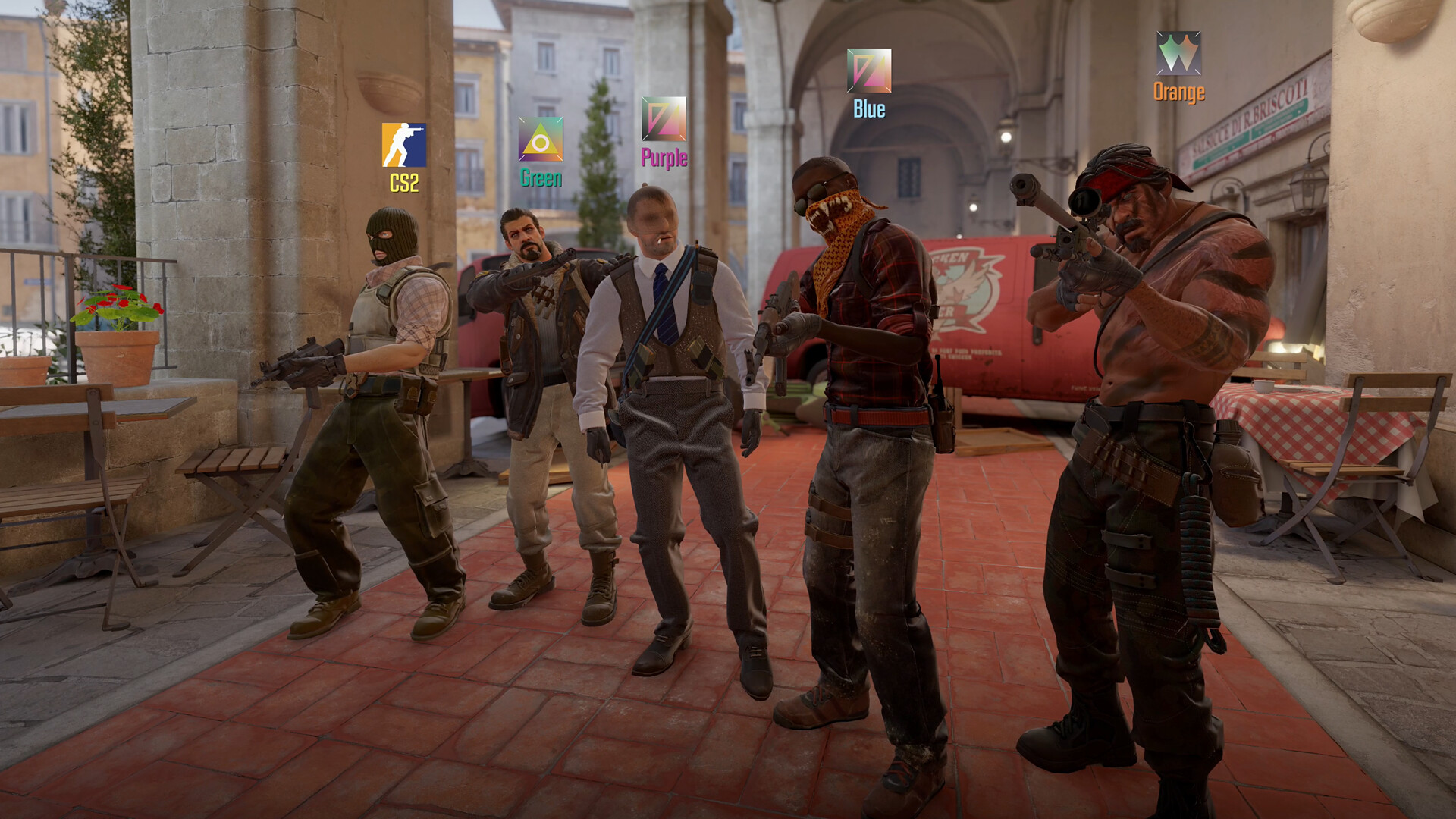
Patch 2.6 dropped into the Reign Tokyo roster the way a molotov drops into a choke point: everything changed shape immediately. The update didn't just tweak numbers. It rebuilt Reign's entire Counter-Terrorist architecture from the ground up, swapping out default-hold tendencies for a more aggressive rotation model that their head coach Dmitri 'Sorin' Velkov had apparently been pushing for since the team's disappointing exit from the IEM Sydney group stage in April.
For fans tracking Reign's trajectory over the past six months, the adjustment was overdue. Their CT sides on Inferno and Nuke had been bleeding rounds at a rate that made bracket forecasting genuinely painful. Now the question is whether the reworked setup translates into results at the upcoming ESL Pro League qualifier in Frankfurt, or whether the new system needs more reps before it stops looking like a theory and starts looking like a gameplan.
What Actually Changed in the CT Rebuild
The core shift is positional. Under the old scheme, Reign were running a static two-man anchor setup on Nuke — holding Ramp and outside dry with dedicated players while the other three played reactive. It was conservative, and against teams with good utility discipline like NAVI Junior or the current Vitality B-team, it was getting dismantled methodically. Opponents knew exactly where the firepower sat.
The 2.6 restructure — the patch nickname comes from Reign's own internal versioning, not Valve, which is an interesting bit of org culture in itself — replaces that with a floating aggression model. Entry-level connectors get contested earlier. The two anchors are now one anchor and one roamer, which puts more pressure on the mid-round decision-making of their IGL, Haruto 'Crane' Nishimura. Crane's read speed has always been his calling card; this setup finally bets on it rather than working around it.
There's also a notable tweak to their Inferno CT setup, specifically the Banana control approach. Rather than committing a second body to hold depth, they're using a quick smoke-and-hold to create an information buffer and pulling back to rotate. Less greedy for the kill, more interested in burning the clock.
Roster Notes: One Bench Move That Matters
Alongside the tactical overhaul, Reign quietly moved Aleksei 'Foxer' Borysenko from starting AWP duties to a secondary role, with young pickup Yuki 'Parse' Watanabe taking primary sniper responsibilities. Foxer isn't benched — he's still on the active roster and started in the squad's recent BLAST scrimmage series — but the hierarchy has shifted. Parse, 19, has been drawing comparisons to early-career Nicolai 'dev1ce' Reedtz in terms of positioning patience. That's a heavy comp to hang on a teenager, but the clip package from their match versus Into The Breach's academy side does at least partially justify the excitement.
Foxer's demotion is handled with some care, reportedly. Sources close to the org say Velkov was deliberate about framing it as a tactical evolution rather than a performance failure, partly because Foxer's contract runs through end of year and you don't want an unhappy primary weapon on a tight roster. Whether that framing holds under tournament pressure is a different question. These situations have a way of clarifying themselves in best-of-three formats.
Map Pool: What They're Running, What They're Avoiding
Reign's map pool in the Frankfurt qualifier looks deliberately narrow. They're leaning hard into Inferno, Mirage, and Ancient, with Nuke as a wildcard fourth they'll only first-pick against specific opponents. Anubis is off the table for now — Velkov apparently regards the team's performance there as a 'construction site', which is either coach-speak for work in progress or a polite way of saying they're banning it until further notice.
Ancient is the interesting one. Several top teams have been treating Ancient as a map you tolerate rather than prioritize, but Reign have been putting genuine reps in. Their CT architecture on that map mirrors some of what Team Spirit ran at Paris last year — heavy use of the cave and mid to disrupt B approaches. It's not copied wholesale, but the influence is visible. If they can execute it consistently, Ancient could become a genuine pick rather than a fallback.
Bracket Position and What Frankfurt Means
The ESL Pro League qualifier draw placed Reign in a group with Astralis's current rebuild squad and a resurgent HEROIC lineup that has been quietly racking up regional results. Neither matchup is comfortable. Astralis, despite cycling through more roster iterations than most analysts can track, still carries structural discipline that punishes teams mid-transition. HEROIC's current form on Mirage — Reign's presumed comfort pick — is legitimately concerning.
The bracket math isn't forgiving. Reign need to go 2-1 minimum in group play to avoid the early-out scenario that would make this whole tactical rebuild look like panic rather than planning. There's a difference between restructuring during a confident evolution and restructuring to stop a slide. Reign are insisting it's the former. Frankfurt will tell you which one it actually is.
Crane Under the New System
Haruto 'Crane' Nishimura is the axis everything turns on. IGL duties in CS2 at this level require split-second mid-round pivots — calling rotations before you have complete information, reading utility spend to infer intent, knowing when to trade economic rounds rather than force. Under the old system, Crane had more defined parameters. The new floating aggression model gives him more variables to process per round.
His stats from internal scrimmages, according to fragments shared in Reign's community Discord, show an uptick in successful rotation calls but also a higher variance in outcomes — more rounds where the call was right but the execution timing was off by half a second. That gap between correct decision and effective decision is exactly what practice is supposed to close. The question is whether six weeks of reps is enough, or whether Frankfurt is essentially a live experiment.
Reign are a team with the pieces to make this system work. Parse's ceiling, Crane's read speed, and a CT rebuild that at least looks coherent on paper — none of that is nothing. But coherent on paper and functional under a best-of-three against Astralis are separated by a significant gap, and only one of those two things shows up in the standings.
Reader Q&A
How are tournament results verified?
We pull directly from the publisher's official broadcast feeds and tournament databases (HLTV, Liquipedia for community-tracked data).
Will brackets and seedings be updated as the event progresses?
Yes — major events get live coverage; bracket updates land within hours of each match.
How do you handle roster changes mid-season?
Roster updates are confirmed via team announcements before being reflected here. We avoid unconfirmed rumors.
Reader comments