
FromSoftware's crunch built Sekiro — PAX East won't say that out loud
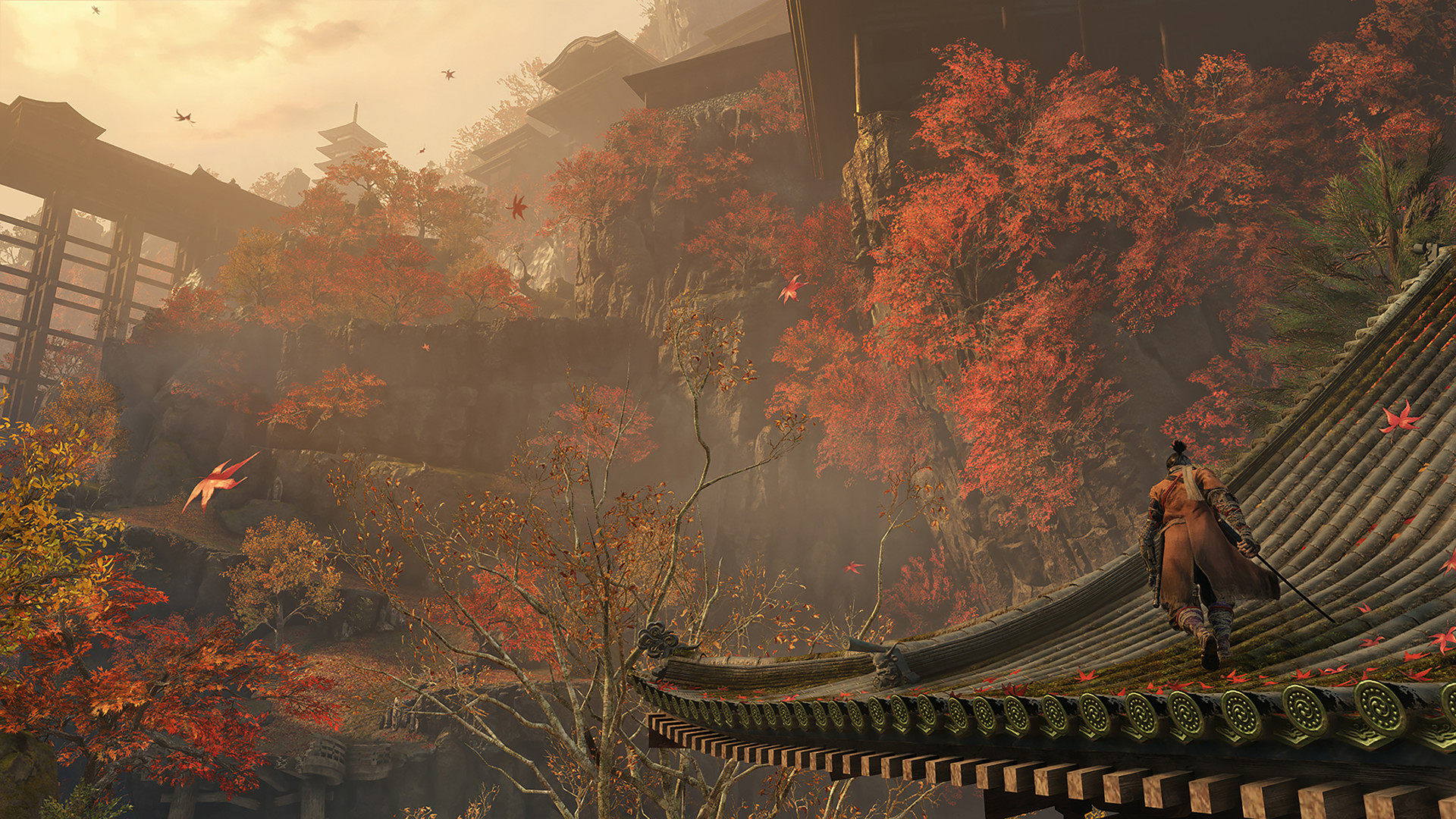
There is a photograph that circulated after Sekiro: Shadows Die Twice shipped in March 2019. Not a dramatic image — just a row of desks at FromSoftware's Tokyo office, each one buried under paper cups and takeout containers, monitors still glowing. Nothing was said about who sat there or for how long. The image said enough.
PAX East 2019 was a few weeks away when that image appeared. FromSoftware had a presence at the show, and the panels were warm, the demos were long. Nobody on a stage asked the obvious question. That is not a PAX East problem specifically — it is the shape of games convention culture, which has always been better at celebrating work than accounting for the conditions under which it was made.
What it took to build a game like Sekiro
Sekiro demanded something different from FromSoftware's own previous work. Dark Souls and Bloodborne permitted a certain creative looseness — varied builds, summons, grinding through bad stretches. Sekiro stripped almost all of that out. One sword, one prosthetic arm, a posture system that required every combat encounter to be designed with extraordinary precision. That kind of precision does not emerge from nine-to-five schedules.
Japanese game development has long normalized what the industry calls '残業' — unpaid or quasi-paid overtime that functions as a cultural expectation rather than a compensated choice. Platinum Games, Square Enix, and Capcom have all faced scrutiny over working conditions at various points. FromSoftware is not an exception to that industry; it is a product of it. The studio has never issued a detailed public accounting of hours worked on any of its titles.
The convention floor does not ask awkward questions
PAX events are organized around access and enthusiasm. Publishers pay for booth space and expect returns measured in hands-on impressions and social media reach. That is a reasonable commercial arrangement, but it creates a structural incentive to keep conversations flattering. A journalist who gets fifteen minutes with a FromSoftware producer at a busy booth is going to ask about posture mechanics, not overtime.
This is not a criticism directed solely at PAX East. GDC, The Game Awards, Gamescom — none of them have developed a culture of holding studios publicly accountable for labor practices in real time. The International Game Developers Association has published working-conditions surveys for years, and the data has remained grim for most of that time, without meaningfully changing the temperature of any convention panel.
Crunch is structural, not individual
It is tempting to frame crunch as a discipline problem — studios that cannot manage schedules, or producers who ask too much. That framing is wrong. Crunch persists because shipping games on deadline, at a quality level that justifies a full retail price, is genuinely difficult to do any other way under current production models. Naughty Dog has been candid about this. CD Projekt Red's crunch during Cyberpunk 2077's final stretch was extensively documented. These are not outlier studios; they are the industry operating as designed.
FromSoftware's output between 2011 and 2022 — Dark Souls, Dark Souls II, Bloodborne, Dark Souls III, Sekiro, Elden Ring — represents an extraordinary sustained creative output for a studio of its size, which peaked at around 260 employees before expanding. That volume almost certainly did not come free.
Why the silence is worth naming
There is a specific way the games press has learned to talk about FromSoftware games — reverent, technical, focused on difficulty as design philosophy. That conversation is not wrong. The posture system in Sekiro is genuinely elegant; the deflect timing window is tight enough to feel skilled without being capricious. Talking about that is legitimate work.
What gets crowded out is the parallel conversation. The one about who was in the office at 2 a.m. tuning that timing window. Convention culture did not invent this silence, but it does reproduce it, reliably, every spring in Boston. At some point 'we don't know' becomes a choice that looks a lot like 'we'd rather not find out.'
What responsible coverage actually looks like
A few outlets have tried. Waypoint and Kotaku both ran substantive pieces on crunch culture during the 2018–2020 period, using developer testimony rather than corporate talking points. Those pieces were uncomfortable to read, which is probably the right signal. Kotaku's reporting on Naughty Dog ahead of The Last of Us Part II's launch was specific enough to produce a real response — not a satisfying one, but a response.
The model exists. Convention floors could, in theory, include panels where studios answer direct questions about staffing and working hours — the way some GDC talks now address accessibility and mental health. That shift would require publishers to allow it and show organizers to demand it. Neither has happened with any consistency. Until it does, the gap between what we celebrate and what we know about how it was made stays wide open — and the photo of those desks keeps circulating without a caption.
Reader Q&A
Where did this information come from?
Combination of official statements, public filings, and corroborated reporting. We don't republish single-source rumors without verification.
When will the next update on this story drop?
Whenever there's something substantive to add. We don't publish empty 'still waiting' filler.
How do I get notified when there's an update?
Subscribe to the weekly newsletter — link in the footer. We email substantive updates only, no spam.
Reader comments