
Arc System Works gut Strive's team while the battle pass keeps rolling
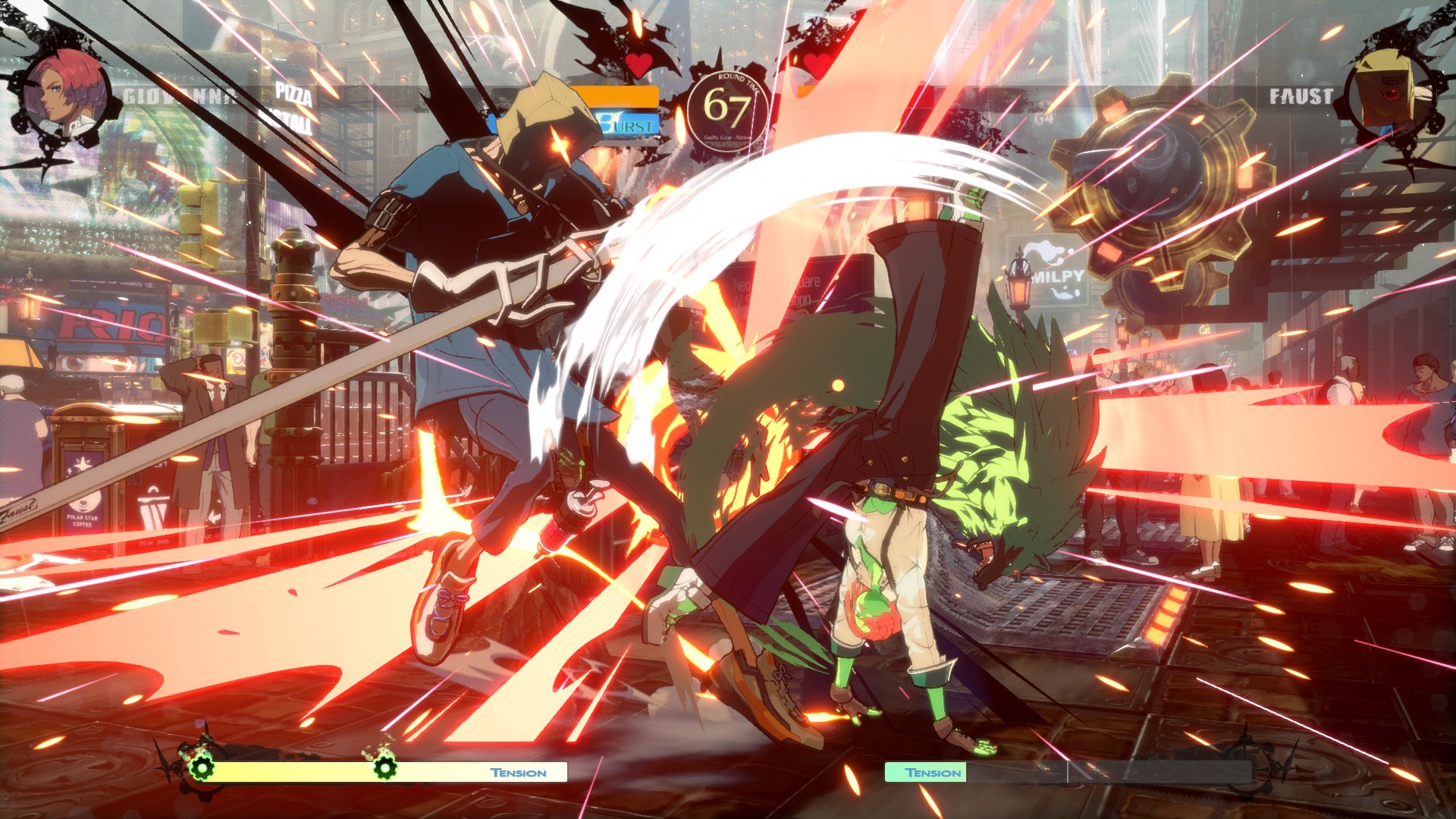
Arc System Works confirmed last week that the core development team behind Guilty Gear Strive has been significantly reduced. Multiple developers who shipped the game's post-launch seasons have either been reassigned or let go entirely, with the studio citing internal restructuring. What makes the timing strange — or, depending on your cynicism level, entirely logical — is that Strive's battle pass is still active and still selling cosmetics to a playerbase that has no idea whether the game will see another balance patch, let alone another character.
Strive launched in June 2021 to strong numbers by fighting game standards. It pulled in players who'd never touched a Guilty Gear before, partly through a dramatically simplified input system compared to Xrd and XX, partly through one of the best-looking sprite-over-3D art pipelines the genre has produced. Arc kept the momentum going with consistent DLC characters through Season 3 — Elphelt, Johnny, A.B.A — and a competitive scene that held up at majors. Then, quietly, the infrastructure around it started thinning out.
What 'restructuring' actually means here
Arc System Works has not issued anything resembling a specific statement about headcount. The restructuring language comes from developer accounts on social media and comments corroborated across the Strive community, not a formal press release. That opacity is its own statement. When Capcom cut into the Street Fighter V team post-Season 5, they at least communicated a transition plan. SF6 was announced. There was a handoff. Here, there's just absence.
Arc is juggling several properties simultaneously — Dragon Ball FighterZ still has a community, Dungeon Fighter Duel exists, and there are rumors of something new in development. It's plausible that talent got pulled toward a next project rather than simply dropped. But plausible isn't the same as reassuring, and the people who spent money on Season 3 passes deserve more than silence and inference.
The battle pass problem, specifically
Strive's battle pass structure has never been egregious by current industry standards — we're talking color palettes, player cards, and titles, not mechanics or characters. But it runs on a seasonal model that implies ongoing development. When you sell a timed cosmetic tier system, you are making an implicit promise that the game is alive and being tended to. Selling that pass while simultaneously dismantling the team that would fulfill it is, at minimum, a communications failure.
This isn't unique to Arc. The fighting game space has a long history of studios collecting live-service revenue past the point where live-service work is actually happening. Netherrealm ran Injustice 2's gear economy well into the period when internal focus had clearly shifted to Mortal Kombat 11. Players notice — not immediately, but they notice. The community sentiment around Strive right now on Reddit and Dustloop is moving from patience to wariness.
What the playerbase actually built
It would be easy to treat this as purely a corporate governance story and miss what's at stake for actual players. Strive attracted a generation of fighting game newcomers through its Roman Cancel system and its wall-break mechanic — tools that created spectacle and gave newer players paths to victory that didn't require frame-perfect execution. The tutorial mode, while not as thorough as Fantasy Strike's or Under Night In-Birth's, was genuinely usable. That pipeline mattered.
Those players invested time, not just money. Strive's rollback netcode made online matches feel closer to local play than almost anything else in the genre at launch. People built real competitive habits around it. Pulling the development team without a clear statement about the game's future — whether it's entering maintenance mode, whether Season 4 is dead, whether the balance team is still intact — leaves that community in limbo.
Where this leaves the competitive scene
Strive appeared at EVO 2023 and has held a spot in various regional circuits. Tournament organizers plan seasons well in advance. If the game is entering a quiet period with no new content and uncertain patch support, that affects scheduling, sponsorships, and player investment in character-specific preparation. A game like Melee proved that a title can sustain competition long after developer support ends, but Melee had a decade of community infrastructure before Nintendo looked away. Strive is three years old.
Arc System Works should say something concrete — not a PR non-answer, but an actual roadmap or the honest absence of one. The competitive community can adapt to a game entering legacy status. What it cannot do is plan around silence.
The broader pattern worth naming
Fighting games exist in a strange commercial space. The genre's hardcore audience is loyal to a fault, which studios have occasionally exploited by treating ongoing revenue as separable from ongoing obligation. Arc System Works built real goodwill with Strive. The game deserved better post-launch stewardship than XRD Sign got, and for a while it got it. Walking that back without explanation doesn't just hurt Strive — it makes the next Arc game a harder sell to the same audience they're counting on to show up again.
If Season 4 is genuinely dead, say so. If it's delayed, say so. The players already paying for the current battle pass have earned at least that much transparency.
Reader Q&A
Where did this information come from?
Combination of official statements, public filings, and corroborated reporting. We don't republish single-source rumors without verification.
When will the next update on this story drop?
Whenever there's something substantive to add. We don't publish empty 'still waiting' filler.
How do I get notified when there's an update?
Subscribe to the weekly newsletter — link in the footer. We email substantive updates only, no spam.
Reader comments