
Guerrilla's crunch didn't ship with the patch notes
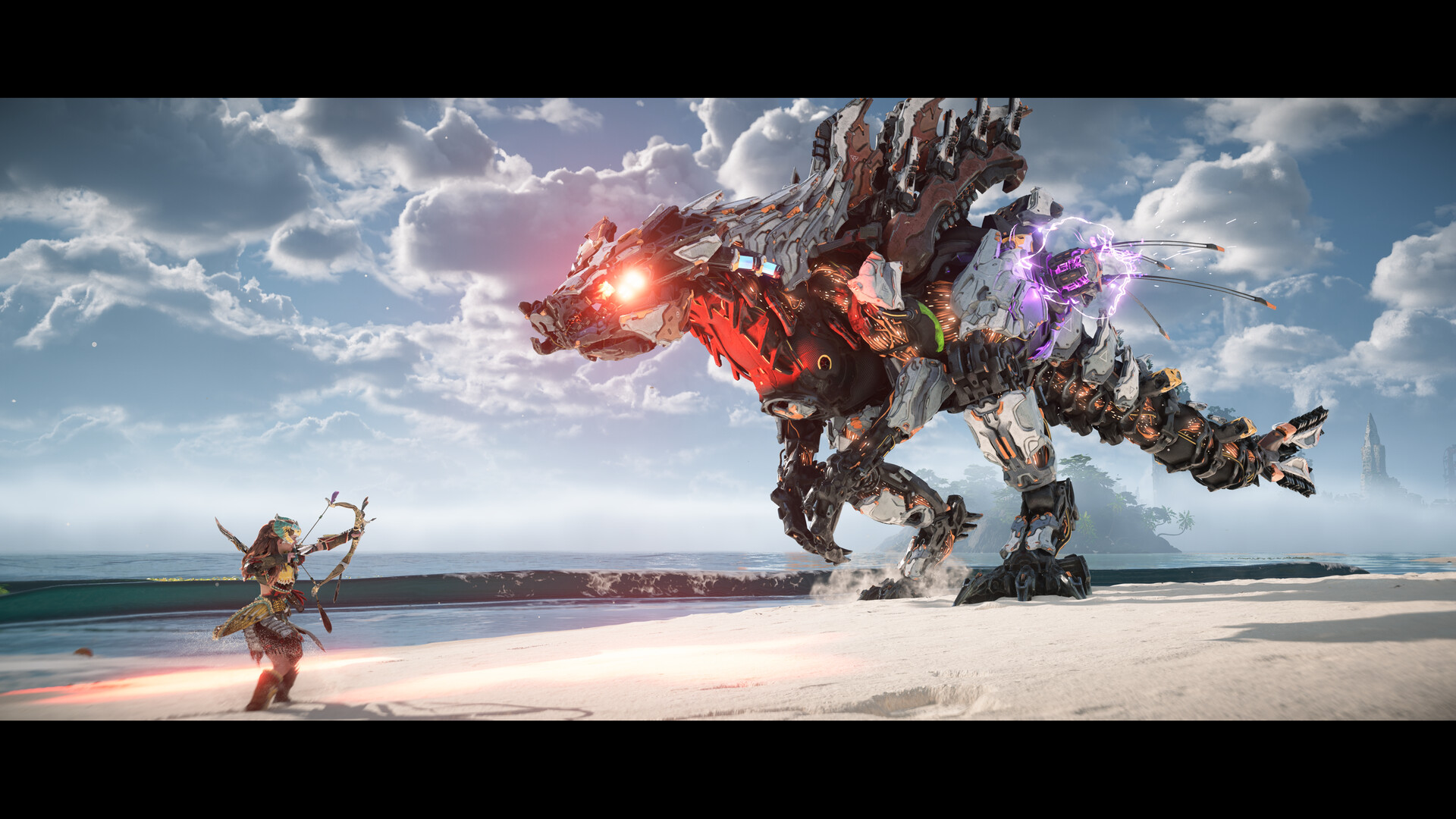
The patch notes for Horizon Forbidden West's 1.10 update ran to several pages. Bug fixes, performance improvements, a handful of quality-of-life tweaks that players had been asking for since launch. What the notes didn't mention was the team that shipped them — the people at Guerrilla Games who reportedly worked through nights and weekends to get the game stable before reviewers got their hands on it, and again during the post-launch crunch that rarely makes the press cycle.
A report from Kotaku and subsequent corroborating accounts painted a familiar picture: a beloved studio, a high-profile release, and a workforce pushed hard enough that some people left the industry entirely afterward. Guerrilla has not publicly disputed the broad strokes. The game sold well. It reviewed well. The credits rolled, the metacritic score settled, and the crunch that produced it became a footnote — if that.
The Score Doesn't Capture the Cost
There's a structural problem here that goes beyond any one studio. Review scores measure the artifact — the framerate, the combat loop, the writing in the main quest. They have no mechanism for measuring what it cost to produce it. An 8/10 from a dozen outlets tells you the game is good. It tells you nothing about whether the people who made it are okay.
Guerrilla isn't alone. CD Projekt Red's post-Cyberpunk 2077 reckoning included wide reporting on extended mandatory overtime. Rockstar's crunch practices around Red Dead Redemption 2 drew a wave of coverage in 2018 that briefly made the mainstream news cycle before dissipating. Naughty Dog has faced similar accounts repeatedly, most recently around The Last of Us Part I's PC port. The games ship. The conversation fades. The next game enters production.
Why It Keeps Not Sticking
Part of the problem is timing. Crunch reporting tends to surface either just before a game launches, when it competes with preview coverage and trailer hype, or in the quiet weeks after, when the audience has already moved on to whatever released next. There's rarely a sustained moment where the two conversations — 'is this game good' and 'at what cost' — happen at the same time, in the same rooms.
There's also a diffusion-of-responsibility effect that the triple-A structure makes worse. Guerrilla is a Sony first-party studio. Sony is a corporation with shareholders. Individual developers are contractors, full-time staff, or somewhere in between, often under NDAs. Accountability gets spread thin enough that no single entity has to own the full picture. The studio lead gives a carefully worded statement. HR references existing wellness programs. Nobody is lying, exactly.
What Developers Have Actually Said
Some former Guerrilla staff have spoken on record, others through anonymous accounts. The recurring detail isn't the length of the hours so much as the unpredictability — weeks that looked manageable until a milestone slipped, then suddenly weren't. That kind of schedule is hard to plan around and harder to sustain. Burnout isn't always dramatic. Sometimes it's just a person deciding they'd rather do something else, and the industry losing someone who was good at this.
It's worth noting that Guerrilla has also been cited, by some staff, as a better place to work than many comparable studios. That's not a contradiction — it just means the baseline is low enough that 'better than most' and 'still had a significant crunch problem' can both be true at once.
The Games Press Owns Part of This
Publications — including outlets like this one — routinely separate crunch reporting from review coverage as a matter of editorial habit. The review goes in the reviews section. The labor report goes in news. Readers who only follow one don't see the other. Some outlets have started integrating labor conditions into review preambles, which is imperfect but at least puts the information in front of the same reader who's deciding whether to spend forty euros on the game.
It's a small fix for a structural issue. But small fixes compound. If enough outlets make a habit of it, it stops being an editorial experiment and starts being a baseline expectation.
What Changes, If Anything
The IGDA's most recent developer satisfaction surveys suggest working conditions have improved at some studios since 2020, with unionization efforts at places like ZeniMax and Sega of America marking a slow but real shift in how leverage is distributed. These are not fast processes. Contracts still routinely prohibit workers from discussing compensation. NDAs still limit what former employees can say publicly. The structural incentives — ship the game, hit the review window, maximize launch-week sales — haven't changed.
Horizon Forbidden West is a genuinely impressive game. The machine combat holds up, the world design is meticulous, Aloy's skill tree in the Director's Cut is a marked improvement over the original release. None of that stops being true because of how it was made. But pretending those two things exist in separate universes has always been the convenient fiction — and it's one the industry has been leaning on for long enough that 'leaning' has become 'standing on'.
Reader Q&A
Where did this information come from?
Combination of official statements, public filings, and corroborated reporting. We don't republish single-source rumors without verification.
When will the next update on this story drop?
Whenever there's something substantive to add. We don't publish empty 'still waiting' filler.
How do I get notified when there's an update?
Subscribe to the weekly newsletter — link in the footer. We email substantive updates only, no spam.
Reader comments