
Enshrouded's patch 3.0 can't fix what F2P pressure breaks
Picture a survival-crafting game that actually trusts you to explore at your own pace — no stamina gates on base-building, no energy bars draining while you lay foundations. Enshrouded launched into early access in January 2024 with exactly that quality, and Keen Games earned real goodwill for it. The game sold over a million copies in its first month. Players built sprawling keeps on cliff faces, farmed flame altars, and argued about optimal staff builds in threads that felt genuinely enthusiastic rather than obligatory.
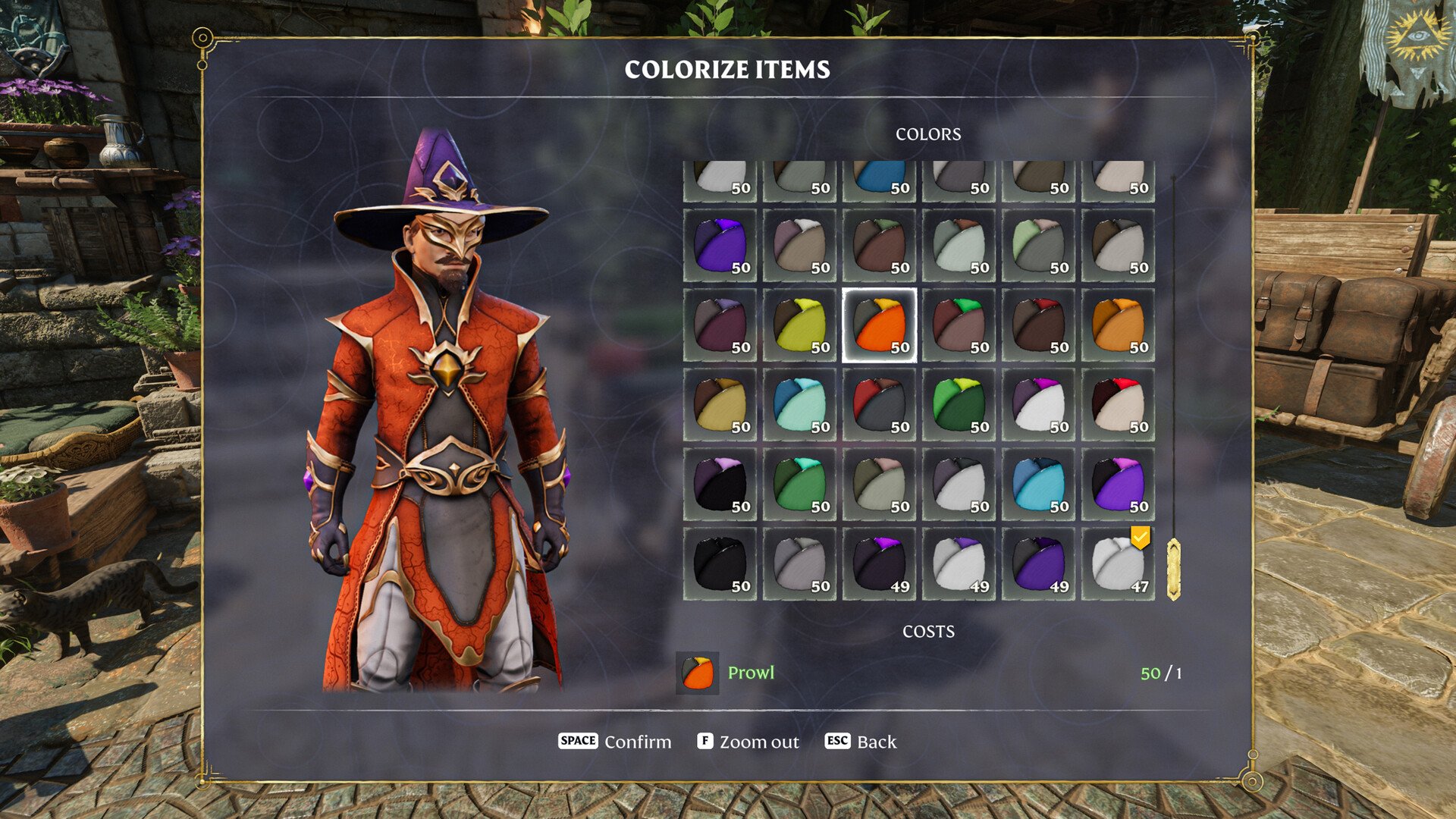
Patch 3.0 arrived last month with meaningful improvements: revised fog traversal, tighter combat hit detection, a reworked skill tree that consolidates what was a confusing sprawl of passive nodes. Keen has been diligent post-launch. But patch 3.0 also quietly introduced the game's first cosmetic storefront, and whatever goodwill the patch earned, that storefront has already started spending it.
What the patch actually delivers
The skill tree revision is genuinely good. Before 3.0, the tree forced you into decision paralysis around tier two — too many nodes that seemed interchangeable, not enough signal about which path suited which playstyle. The new layout is cleaner. Ranger builds read like ranger builds. You can see a thread from your starting point to a coherent kit within a few minutes of reading, rather than after two hours of trial and reset.
Combat hit detection has also been an ongoing gripe since launch, particularly with Shroud Wraith enemies that clipped erratically. It's better now, not perfect. Melee still feels slightly floaty at range, and some of the two-handed weapon animations clip into enemy bodies in ways that obscure whether you're actually connecting. Minor complaints, but they compound in longer sessions.
The storefront problem isn't just philosophical
Keen's cosmetic shop sells character skins, building material reskins, and a 'Flame Vessel Bundle' that runs to several hundred in-game premium currency, which converts to around five US dollars per standalone item at the lowest-price tier. The items themselves are, at first glance, harmless — nothing affects stats, nobody is locked behind a progression wall. The standard defence.
Except Enshrouded isn't a free-to-play game. Players paid a standard early access price for it, and the implicit agreement in that transaction was that Keen was selling a complete experience. A paid game adding a currency shop mid-development is a specific kind of trust violation, not because cosmetics are inherently predatory, but because the pricing psychology of a premium-currency storefront is incompatible with how players value a game they already bought. You can see how this plays out in Valheim, which Enshrouded constantly gets compared to — Iron Gate has not introduced a storefront. That's a design stance, and players notice it.
The F2P conversion pressure is structural, not individual
Keen Games is a small studio. Around 60 people, based in Frankfurt. Sustaining a live-service survival game on a one-time purchase with a decade-long early access runway is genuinely difficult, and the pressure to find recurring revenue is real and not imaginary. None of this is malicious. It's the consequence of a market structure that has made ongoing monetization feel like the only viable model for games that need long post-launch support.
The studios that resist this — Coffee Stain with Satisfactory, Re-Logic with Terraria — tend to be either self-funded or have negotiated unusual publisher arrangements. Most don't have that freedom. So Keen ends up here: doing the right things on the gameplay side, then undermining the perception of those right things with a shop that signals they're watching the F2P playbook even when the game isn't structured as F2P.
What this does to player trust over time
There's a specific pattern in how communities respond to this. The initial reaction is loud but short-lived. The longer effect is subtler: players start second-guessing free updates. Is this content that was held back? Is this patch smoothing the way for the next monetised season? Those questions corrode enjoyment in ways that are hard to measure and easy to dismiss as 'just Reddit complaining'.
Enshrouded's community is already showing early signs of this. The Steam discussion boards post-3.0 are split between players praising the skill tree changes and players cataloguing every cosmetic item in the shop with visible irritation. That split is the damage. You can't repair it with a patch.
The game Enshrouded still is
It's worth saying plainly: Enshrouded is still one of the better survival-crafting games in early access right now. The fog mechanic — the titular Enshrouded zones that drain your stamina and warp the world around you — gives the exploration loop an anxiety that most genre competitors don't bother with. The building system is genuinely flexible. Patch 3.0 moves the game forward.
Keen Games has the skills. What they may not have is a business model that leaves those skills room to speak for themselves. If the shop expands in scope with each future patch — more bundles, seasonal rotations, premium battle passes — the question won't be whether 3.0 was a good update. It'll be whether anyone still remembers what Enshrouded was trying to be before the spreadsheet got involved.
Reader Q&A
Where did this information come from?
Combination of official statements, public filings, and corroborated reporting. We don't republish single-source rumors without verification.
When will the next update on this story drop?
Whenever there's something substantive to add. We don't publish empty 'still waiting' filler.
How do I get notified when there's an update?
Subscribe to the weekly newsletter — link in the footer. We email substantive updates only, no spam.
Reader comments