
RGG Studio's Turn-Based Gamble Is Under Pressure at TGS
Picture Ichiban Kasuga standing in a Yokohama back alley, surrounded by a ring of enemies, waiting his turn. That image — patient, almost theatrical — is what RGG Studio committed to when it pivoted the Yakuza series away from brawler combat with Like a Dragon in 2020. It was a clean break from the franchise's identity, and it paid off. But at Tokyo Game Show 2024, the pressure on that decision is more visible than it has been in four years.
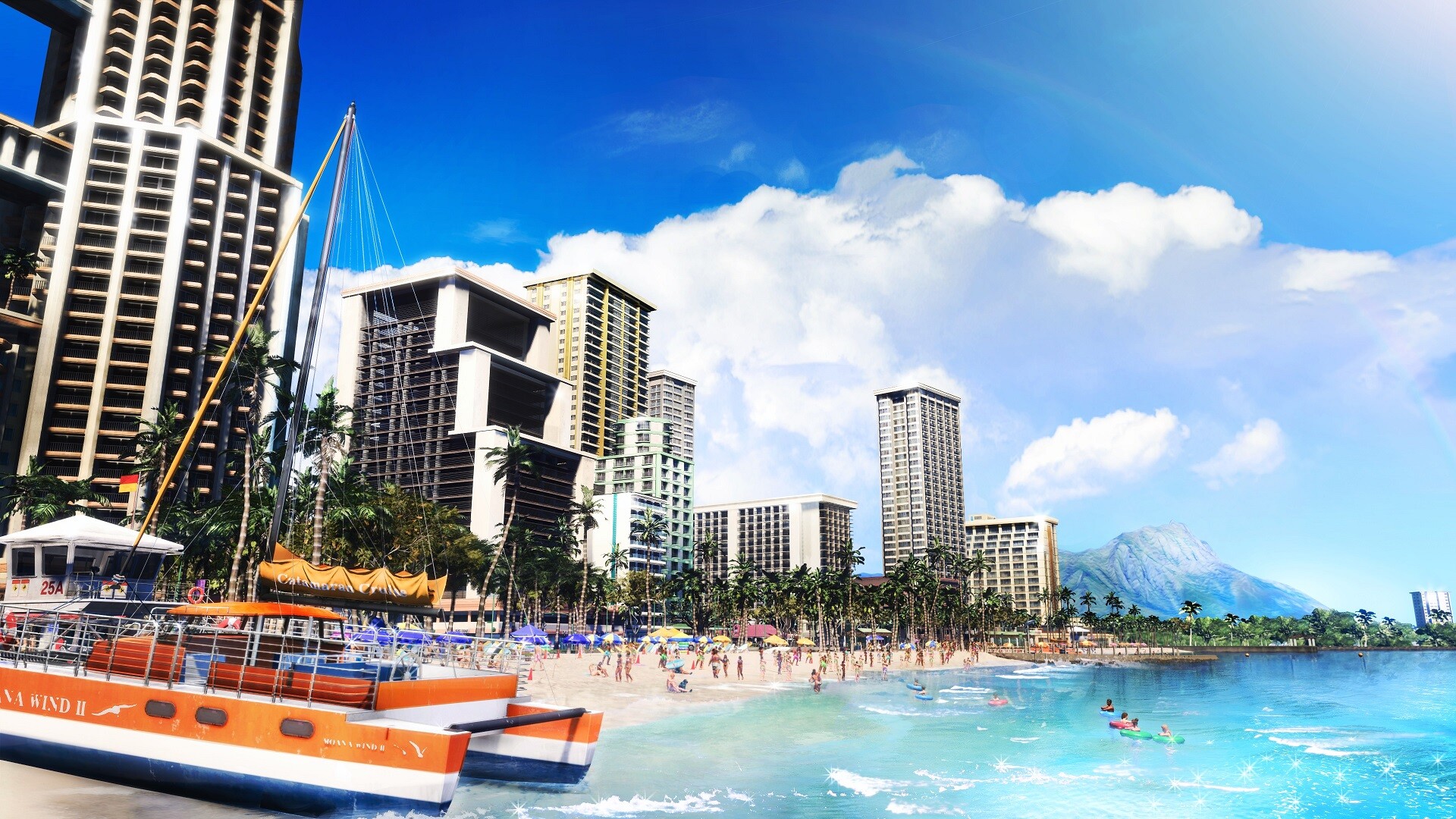
The studio showed Like a Dragon: Pirate Yakuza in Hawaii, a spin-off starring Goro Majima that drops the turn-based system entirely and returns to real-time action. Alongside that, the mainline sequel Like a Dragon: The Hero is Turn-Based is somewhere in the pipeline, its details sparse. RGG is now running two distinct combat philosophies in parallel — a position that makes sense commercially but muddies what the series actually is.
The Action Crowd Never Fully Left
Yakuza 0, Kiwami, and the Ishin remake all sold well on the back of their brawler mechanics. The player base that grew up on Kiryu's Dragon of Dojima style is real, and sizeable. Pirate Yakuza in Hawaii feels partly like a concession to that audience — a way to stop them drifting toward something else entirely while the mainline series continues down the JRPG path.
Majima is also the more natural fit for action. His fighting style in the older entries was always more chaotic and kinetic than Kiryu's, so attaching him to real-time combat doesn't feel forced. The question is whether casual observers will read the spin-off as a signal that RGG is hedging its turn-based commitment rather than genuinely expanding the universe.
What TGS Actually Showed
The Pirate Yakuza demo placed Majima on a ship deck, slashing through enemies with a sabre and triggering a Majima-flavored crew-based special attack that looked closer to Musou territory than anything from Ishin. It's visually loud. Whether the underlying combat has real depth — the kind of positioning and resource management that made Infinite Wealth's Sujimon mechanic genuinely interesting — is not answerable from a TGS floor demo.
RGG showed little of the story structure beyond a brief framing sequence. That matters more for this series than for most, because the Yakuza games earn their combat systems through character investment. A Majima pirate adventure lives or dies on whether his motivations hold up over twenty hours, not just whether the sabre combos feel good in February.
The Turn-Based Side Still Has Room to Grow
Like a Dragon: Infinite Wealth, released earlier this year, was the strongest argument RGG has made for its new direction. The job system was more flexible than Ishin's equivalent, the Sujimon catching mechanic added a secondary progression layer without overwhelming the main story, and the Hawaii setting gave the team room to build a world that didn't feel like a retread of Kamurocho or Ijincho. It reviewed well and, by Sega's reporting, sold well.
But Infinite Wealth also ran long — extremely long — and some of its dungeons exposed the limits of the engine's encounter variety. Dragon Quest XII, the genre's other high-profile work in progress, is watching from a distance. RGG has a workable formula, but it isn't bulletproof.
Running Two Franchises in One Name
The structural problem here is branding. Like a Dragon is now associated with turn-based play. Pirate Yakuza in Hawaii uses the old Yakuza name in its subtitle rather than Like a Dragon, which suggests RGG and Sega are aware of the identity split. But the studio still carries the single RGG label across both projects. Developers who stretch across two distinct design philosophies at the same time tend to produce work that's competent but unexceptional on at least one front — see the years when Bioware was finishing Dragon Age while starting Mass Effect 2.
RGG is a capable studio with a strong production rhythm. That track record earns some benefit of the doubt. Still, the TGS showing raised more structural questions than it answered.
What to Watch For
The next few months will tell whether Pirate Yakuza in Hawaii is a genuine creative detour or a market-research exercise dressed in a tricorn hat. A February 2025 release date gives RGG very little runway to course-correct if early response is poor. Watch for whether the game has a robust mid-game — that's historically where action spin-offs in long-running RPG franchises run out of ideas.
The mainline turn-based sequel, whatever form it takes, is the bet that matters more. If Pirate Yakuza underperforms and the next Ichiban entry quietly returns to action, that will be the real story. For now, RGG is doing something genuinely difficult: trying to keep two different kinds of player loyal to the same name. TGS 2024 confirmed the attempt. It didn't confirm the plan is working.
Reader Q&A
Where did this information come from?
Combination of official statements, public filings, and corroborated reporting. We don't republish single-source rumors without verification.
When will the next update on this story drop?
Whenever there's something substantive to add. We don't publish empty 'still waiting' filler.
How do I get notified when there's an update?
Subscribe to the weekly newsletter — link in the footer. We email substantive updates only, no spam.
Reader comments