
Pizza Tower's TGS shadow: who's killing review embargoes?
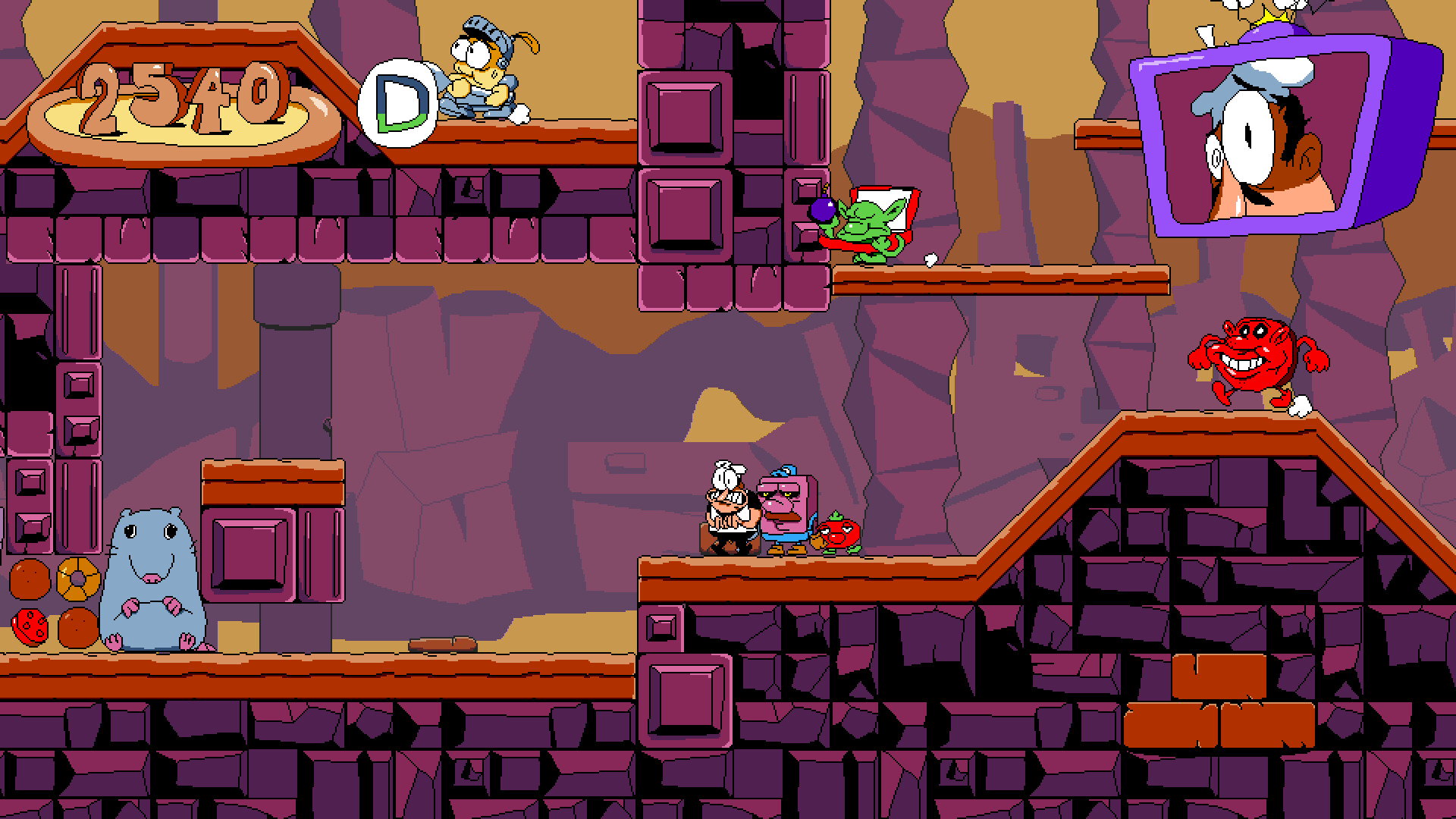
Picture the moment: a streamer boots up Pizza Tower on a Tuesday morning, three days before Tokyo Game Show's opening panel, and the chat starts asking how they got it early. No watermark. No preview build disclaimer. Just the full release, live, watched by forty thousand people who were supposed to find out about the game on Friday. The publisher's embargo document was still sitting in journalists' inboxes, unbroken — by everyone except whoever handed that stream key out.
Review embargoes have always been a little theatrical. Everyone in games media knows the deal: publishers set a lift time, outlets agree to it, and a coordinated wave of coverage lands at whatever moment marketing has decided is optimal. That arrangement has its critics, and they're not wrong that it can skew coverage toward launch-day enthusiasm. But the system is fraying in a different direction now. The question isn't whether embargoes are good or bad — it's who's actually breaking them, and whether publishers are complicit in their own leaks.
The TGS timing problem
Tokyo Game Show historically creates a pile-up. Dozens of titles jockey for coverage across the same four-day window, and publicists booking embargo lifts in that period are essentially scheduling a demolition derby. Pizza Tower — used here as a recent, visible example of pre-show leakage rather than the only offender — found its coverage ecosystem disrupted when unembargoed material circulated ahead of the publisher's planned window, pulling attention away from the show floor reveal the team had built.
That's the specific damage embargoes are supposed to prevent. It's not about suppressing criticism. Outlets that received early access to the game still published on schedule. The breach came from somewhere else — which points toward a structural problem that TGS amplifies every year: too many keys, distributed too widely, with inconsistent embargo documentation attached.
Streamers, influencers, and a different set of rules
Here's the gap that's been widening since roughly 2019. Traditional outlets — IGN, Eurogamer, NikauZonePlay and its peers — operate under explicit embargo agreements that come with legal teeth, or at least professional consequences for breaking them. Influencer and content creator relationships are murkier. Keys go out through platform dashboards, through PR agency sub-lists, through affiliate networks that publishers sometimes have only loose oversight of.
A creator with 200,000 subscribers on YouTube might receive a key through three layers of middlemen, with an embargo noted in a single email they may never have opened. When they go live, they're not necessarily breaking a contract — they're just unaware one existed. Publishers know this. Some of them are choosing to look away because early streaming traffic suits them even when it undercuts print and video reviewers who held the line.
Who actually benefits from the chaos
Cynically: sometimes the publisher does. Leaked gameplay generates its own coverage cycle — articles like this one, social media discussion, YouTube reaction videos. The noise arrives before the official coverage wave and primes an audience. Whether that's intentional strategy or tolerated accident varies by company, but Devolver Digital, to name one label with a history of unconventional marketing, has shown that irreverence toward traditional rollout structures can generate more attention than a clean embargo lift ever would.
The outlets that lose are the ones who sat on a review for two weeks, turned down other assignments to prioritize it, and then watched a Twitch stream eat their traffic before the lift. That's a real editorial cost, and it's making some publications reconsider whether agreeing to long embargoes is worth it at all.
What a tighter system would look like
A few publishers — Larian Studios being a relatively recent example of disciplined embargo management around Baldur's Gate 3's phased releases — have demonstrated that tight key distribution actually works when you treat it as a logistics problem rather than a marketing afterthought. Numbered builds, individualised watermarks, direct relationships with a defined list of outlets and creators, explicit confirmation required rather than assumed.
That takes staff time and organizational will. Smaller studios using third-party PR agencies are genuinely less equipped to enforce it. But the cost of not doing it is visible every time a TGS lineup gets partially spoiled by a stream that was never supposed to exist.
The credibility question
There's a longer-term issue underneath the tactical one. If embargoes are selectively enforced — broken by favored streamers, upheld for press — then the whole system reads as rigged toward whoever drives the most immediate engagement numbers. Readers aren't oblivious to this. When an audience sees a streamer playing a game days before any written review exists, and then watches outlets publish glowing day-one coverage, the sequence raises questions about whether the press embargo was ever about journalistic independence or just about coordinated marketing timing.
Embargoes aren't inherently corrupt. Used well, they give reviewers time to actually finish a game — something that matters enormously for something like a 30-hour RPG versus a two-hour action title. But used as a selective gate that applies to print outlets while streaming access flows freely, they become a credibility problem for everyone who honored them. The Pizza Tower situation is one data point. The pattern it represents is the story worth watching.
Reader Q&A
Where did this information come from?
Combination of official statements, public filings, and corroborated reporting. We don't republish single-source rumors without verification.
When will the next update on this story drop?
Whenever there's something substantive to add. We don't publish empty 'still waiting' filler.
How do I get notified when there's an update?
Subscribe to the weekly newsletter — link in the footer. We email substantive updates only, no spam.
Reader comments