
Sleeping Dogs is back — but United Front Games isn't
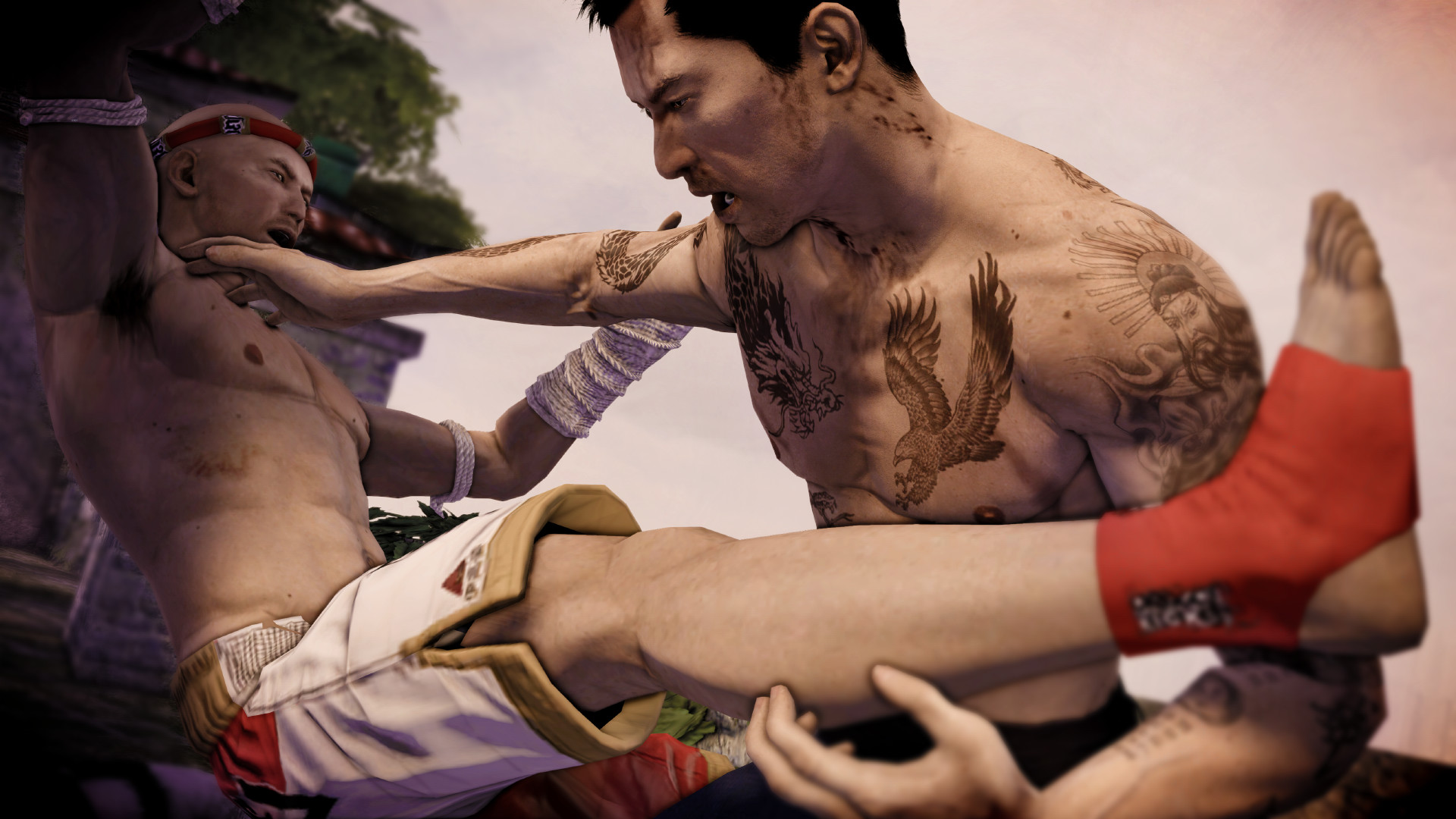
A new Sleeping Dogs game is in development. Square Enix confirmed it quietly, the way publishers sometimes confirm things they're not quite ready to explain — a name drop, a logo, a promise that details are coming. Wei Shen is apparently returning to Hong Kong. The open world, the brutal Hung Gar-influenced combat, the karaoke minigames. All of it, back.
What's not coming back is United Front Games, the Vancouver studio that made the original 2012 release and spent years trying to keep it alive through DLC and a spinoff that never found its footing. United Front closed in 2016. The new project is being handled by a different team, under a different structure. That detail is small but it matters, and it's worth sitting with before the hype cycle fully kicks in.
What United Front actually built
Sleeping Dogs was a late-generation PS3 and Xbox 360 game that punched well above its weight class. The combat system deserves specific credit: it was a counter-focused brawler closer to Batman: Arkham Asylum than to GTA, but grounded in something that felt distinctly Hong Kong action cinema. Environmental takedowns — slamming someone's face into a fish tank, feeding a rival into a spinning turbine — were choreographed in ways that never felt random. Each one was authored.
The writing held up, too. Wei Shen worked as a character because the game kept asking how much of himself he was willing to burn to stay undercover. That tension actually paid off mechanically — your Triad XP and Police XP tracked separately, pulled in different directions, and the game noticed which side you were feeding. It wasn't Disco Elysium-level systems, but for an open world game in 2012, it was unusually coherent.
The studio's collapse and what it cost
United Front didn't close because Sleeping Dogs failed. The game sold well enough, reviewed well, built a fanbase. The studio collapsed because its follow-up project — Triad Wars, a free-to-play online version of the same setting — was cancelled in early access in 2015. That decision, and whatever business pressures preceded it, left around 200 people out of work within a year.
Studios close all the time. The industry is brutal about it. But UFG's situation stings a little more than most because they clearly had the competency to go further — the Definitive Edition released in 2014 still holds up visually, and the Nightmare in North Point DLC showed they could do genre pastiche without losing the game's identity. The knowledge that built Sleeping Dogs dispersed, picked up by other studios or left the industry entirely.
Who's making the new one, and why that question matters
Square Enix hasn't named a developer yet. That's unusual for an announcement with this much attached nostalgia. It could mean the project is early — genuinely early, not PR-early — or it could mean the attached studio isn't one that carries marquee recognition. Either way, the IP is being handed to people who weren't in the room when Wei Shen was designed, and that's a real variable.
This isn't automatic doom. Larian took over the Baldur's Gate name after Black Isle and BioWare had both moved on from it, and produced something extraordinary. Obsidian took the Fallout DNA somewhere interesting. Franchise continuity and developer continuity are different things. But those cases worked partly because the new studios had deep relevant expertise and genuine creative ownership. What the new Sleeping Dogs project needs is a team that has actually studied Hong Kong action cinema the way UFG clearly had — the John Woo films, the Johnnie To catalogue, the specific visual grammar of those environments. That's not a given.
The Hong Kong setting is not a backdrop
One thing the original got right that's easy to underestimate: the city felt lived-in rather than dressed. Temple Street night market, the double-decker trams, the vertical density of Mong Kok — these weren't just skins over a standard open world grid. The 2012 game was built around Hong Kong's actual spatial logic, its density, the way social life happens at street level. That required research and intention.
Returning to that setting now carries additional weight. Hong Kong has changed, visibly and politically, since 2012. A serious creative team will have to decide how much the new game acknowledges that or sidesteps it. Either choice is a choice. A game this culturally specific can't just pretend the last twelve years didn't happen and expect the setting to carry the same charge.
Cautious interest is the correct position
Sleeping Dogs coming back is genuinely good news on its face. The original is one of the more underappreciated open world games of its generation and a sequel done well could be excellent. Square Enix has shown it can support ambitious projects — Final Fantasy XVI was a swings-taken kind of game, whatever you thought of it — so the IP isn't in obviously bad hands at the publisher level.
But announcements without a named studio, without footage, without any sense of what the team's relationship to the source material actually is — those deserve measured attention rather than immediate enthusiasm. United Front built something specific. Whoever is building this needs to have understood what made it work, not just that it worked. The name on the box is Square Enix. The question is whose hands are actually on the game.
Reader Q&A
Where did this information come from?
Combination of official statements, public filings, and corroborated reporting. We don't republish single-source rumors without verification.
When will the next update on this story drop?
Whenever there's something substantive to add. We don't publish empty 'still waiting' filler.
How do I get notified when there's an update?
Subscribe to the weekly newsletter — link in the footer. We email substantive updates only, no spam.
Reader comments