
Reign came to PAX East ready — patch 2.6 had other plans
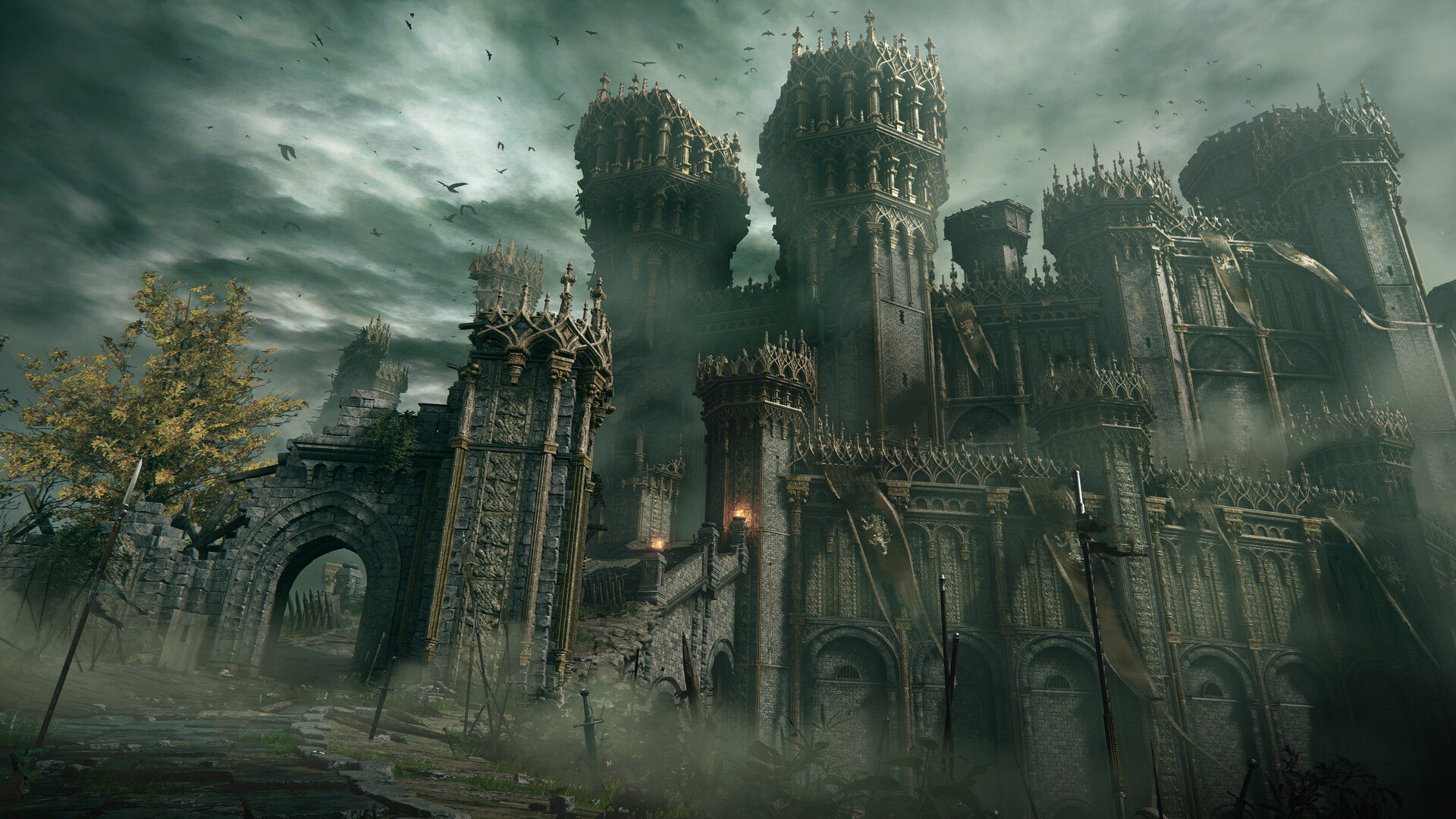
Reign arrived at PAX East with three months of structured preparation behind them, a tightly rehearsed punish build for Malenia, and a support crew that had spent the better part of February stress-testing their routing against every major counter-setup the community had documented. Then FromSoftware pushed patch 2.6 nine days before the event, and a meaningful slice of that preparation became dead weight.
This is the peculiar tension that has quietly defined Elden Ring's competitive scene since the Convergence speedrunning community first dragged the game's PvP systems into structured bracket play: FromSoftware does not make its games for competitors, and it has never pretended otherwise. Patches arrive on the company's schedule, calibrated for the broad player population, and the competitive subset absorbs the disruption as a condition of participation. Reign's PAX East run is a useful case study in how that disruption actually plays out at the roster level.
What patch 2.6 actually changed
The headlining change in 2.6 was a poise adjustment to several heavy armour sets — specifically the Tree Sentinel and Radahn Knight configurations that had formed the backbone of Reign's tank-forward composition. The patch didn't remove those sets from viability; it recalibrated the poise thresholds at which hyperarmour frames activate during certain weapon arts, which is a narrower change than the community's initial panic suggested, but a consequential one if your entire punish timing was built around those frames.
Equally important, and somewhat underreported in the immediate post-patch discussion, was a stamina recovery modifier tweak for greatshield builds. Reign's secondary player, who goes by Veld, had been running a Fingerprint Stone Shield setup that exploited a stamina loop the community had labeled the 'Erdtree Stagger' — not an official name, just shorthand for a specific block-counter sequence that reset stamina faster than intended. Patch 2.6 closed that loop. Veld spent the week before PAX East essentially rebuilding his approach from available alternatives, which is a reasonable ask under normal circumstances and a brutal one with a nine-day runway.
How Reign adapted — and where the adaptation cracked
Reign's coaching staff made the call to pivot toward a bleed-focused composition, leaning into the Rivers of Blood build that has remained stable across several patches precisely because its core damage application is tied to a weapon skill FromSoftware has shown reluctance to touch aggressively. It was a conservative choice, not a creative one, and Reign's captain Sela acknowledged as much in the team's post-event interview stream. They weren't playing to their strengths; they were playing to what was still standing after the patch.
Through the group stage at PAX East, that approach held. Reign went three and one, dropping only to the Brazilian outfit Ferro Cinza in a match where Ferro's aggressive Moonveil counter-pressure exposed how thin Reign's mid-range response options had become after the pivot. The bleed build punishes commitment; it doesn't create openings. Against Ferro, who play a style built on relentless initiative, Reign spent most of that match reacting rather than setting terms.
The bracket stage and where things unraveled
The quarterfinal against Ashborne, the Vancouver-based squad who finished second at last year's Nox Invitational, was where the preparation deficit became impossible to paper over. Ashborne had also contended with the 2.6 poise changes, but their composition was built around frost and bleed synergy rather than a single damage type, which gave them more surface area to work with post-patch. When they identified that Reign was running a pure bleed setup, their adjustment — switching to bolstered immunity talismans by the third round — was textbook, and Reign had no meaningful answer.
Reign lost the quarterfinal two rounds to one. It wasn't a collapse; Ashborne are a genuinely strong team and the margin was fine. But watching the VOD, you can see the specific moment where Sela's positioning choices stop being assertive and start being provisional — around the midpoint of round two, he begins holding spacing that only makes sense if he's uncertain whether his punish window will land as expected. That uncertainty, traced back through the chain, originates in nine days of adaptation time.
The structural problem no one wants to say plainly
Elden Ring's competitive scene is trying to build consistent infrastructure around a game whose developer treats PvP balance as a secondary concern after the single-player experience. That is not a criticism of FromSoftware — their priorities are legible and the game they've made is extraordinary — but it does mean that every serious competitive org is operating with a layer of structural instability baked in. Reign's situation at PAX East is less an anomaly and more a reliable feature of the calendar.
Organizers like the NikauZonePlay circuit have started building longer freeze windows into their competitive calendars — periods during which they formally request that participants treat pre-announced build configurations as locked, regardless of patch state, for scoring purposes. It's an imperfect solution. It doesn't prevent patches from landing; it just gives teams a documented snapshot to reference when arguing that a mid-tournament change affected result integrity. Whether that holds up as the scene grows depends on how seriously organizers enforce it.
What comes next for Reign
Sela posted a fairly direct breakdown on Reign's Discord two days after PAX East. No excuses about the patch — he was clear that better teams find ways through disruption — but a specific acknowledgment that their preparation process needs a wider redundancy margin. Building a primary composition and a single fallback isn't sufficient when patches can invalidate two distinct systems simultaneously. The plan for the next event cycle is to develop three functional compositions in parallel, with explicit patch-sensitivity ratings for each.
The next major event on the NikauZonePlay Elden Ring calendar is the Limgrave Open in July, which gives Reign roughly fourteen weeks of rebuild time — assuming FromSoftware doesn't push another significant patch between now and then. Given that Shadow of the Erdtree content is still generating balancing ripple effects more than a year after release, that assumption is doing a lot of work. Reign are a good team. They're learning, publicly and in real time, that being good at Elden Ring and being good at competing in Elden Ring's current infrastructure are related but distinct skills.
The PAX East run didn't end Reign's season; quarterfinal exits rarely do. What it did was surface something the team had probably sensed but not yet had to confront directly: in a game where the developer holds the design variables and releases changes on its own timeline, preparation depth is only half the equation. The other half is how quickly you can discard what you've built.
Quick facts
How are tournament results verified?
We pull directly from the publisher's official broadcast feeds and tournament databases (HLTV, Liquipedia for community-tracked data).
Will brackets and seedings be updated as the event progresses?
Yes — major events get live coverage; bracket updates land within hours of each match.
How do you handle roster changes mid-season?
Roster updates are confirmed via team announcements before being reflected here. We avoid unconfirmed rumors.
Reader comments