
Nova9 arrived at TGS — patch 1.0 rewrote the game under them
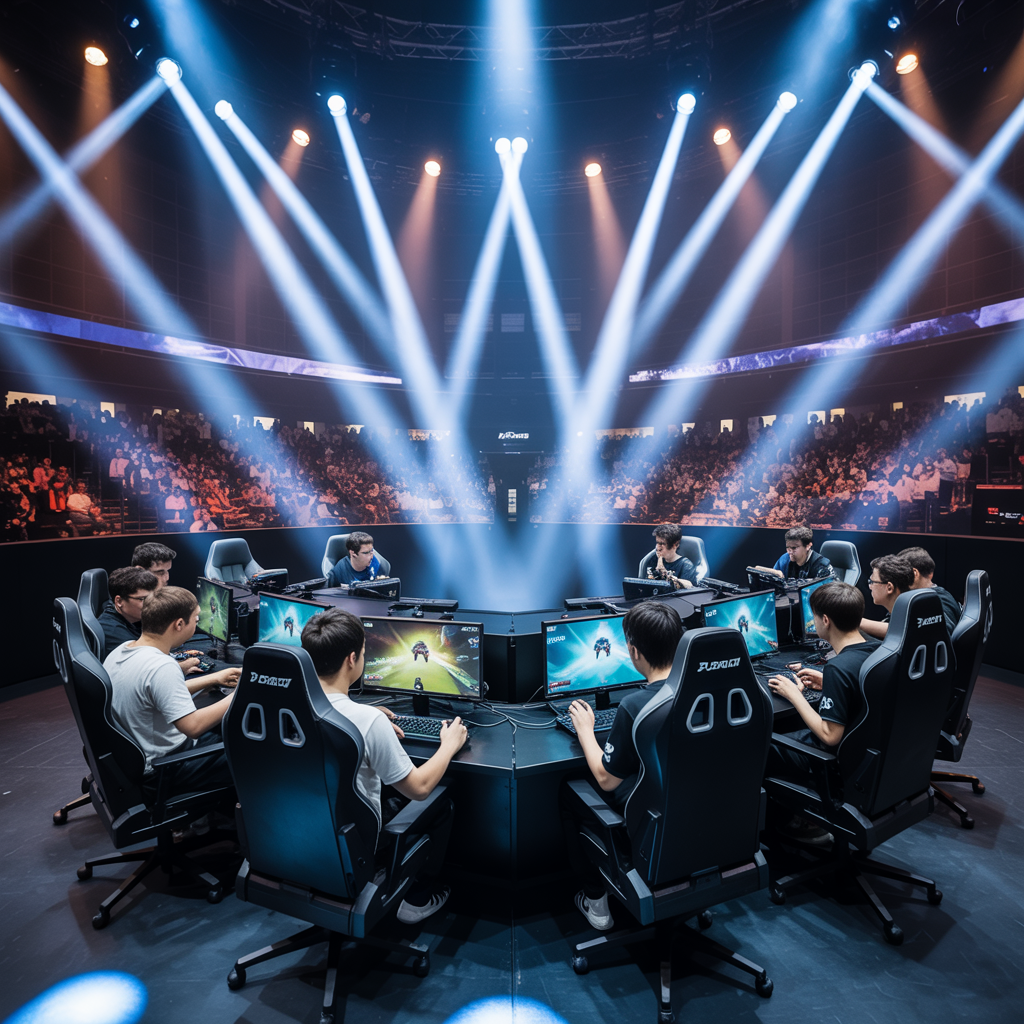
Tokyo Game Show was supposed to be a showcase week for Nova9, the Thai-Filipino roster that had quietly climbed into the top tier of the Southeast Asian Dota 2 circuit over the second half of 2024. Instead, it turned into a live stress test. Valve dropped patch 1.0 — the largest mechanical overhaul the game has seen since the Outlanders update in 2019 — forty-eight hours before the team's first group stage match. Not ideal.
The patch rewrote hero attributes from the ground up, converting the old Strength, Agility, and Intelligence primaries into a unified "primary stat" model that directly governs attack damage. It sounds minor in a changelog. In practice, it reshuffled which heroes sit at the top of the competitive meta almost completely. Rosters that had spent months drilling specific draft patterns found those patterns either invalidated or requiring complete reconstruction. Nova9 were one of those rosters.
What patch 1.0 actually changed
For viewers who only follow professional Dota 2 intermittently, the attribute rework can look cosmetic. It isn't. Under the old system, an Agility carry like Drow Ranger gained attack speed and armor as bonus stats regardless of items. Under 1.0, her attack damage scales directly with Agility, which changes how her power curve interacts with specific item timings. A Manta Style at seventeen minutes hits differently than it did in 7.36. The numbers are technically similar; the feel at the pro level is not.
The heroes who gained most visibly were Intelligence casters with high base stats — Tinker and Skywrath Mage showed up in three of the first six games at TGS, which would have been unthinkable at The International 12 the previous year. Position four supports were suddenly farming more aggressively, because the gold-to-stat conversion rates on many Agility heroes had shifted enough to make traditional dual-lane support itemization less punishing to abandon early. Commentators kept calling it "experimental." The teams calling it that in post-match interviews sounded less confident.
Nova9 going into the tournament
Nova9's carry player, Thanawat "TK" Sukkhawong, had been one of the most consistent Morphling players in the SEA region across the prior six months. Morphling in 7.36 was already a specialist pick — technical, timing-dependent, high ceiling. Under 1.0, Morphling's Agility-based strength-shifting mechanic became significantly harder to optimize because the base stat interactions changed mid-replicate. TK's signature pick didn't disappear from the pool, but the confidence window for picking it in a best-of-two narrowed considerably.
The team's support structure was built around two players — Marvin "Kite" Reyes and a player listed in tournament rosters as Petch — who specialized in slow-burn lane domination through rotational pressure. That style depends on knowing which heroes are worth rotating for at which item thresholds. Patch 1.0 moved those thresholds. Their first group stage match against Polaris Esports showed the seams: two draft errors in three games, both looking like the coaching staff had prepared reads that were now a version out of date.
Polaris exploit it fast
Polaris Esports, the Indonesian lineup that finished second at the SEA qualifier in August, looked like a team that had done the homework. Their drafter picked Skywrath Mage and paired it with a Bloodseeker, exploiting the new stat interactions to create a level six kill window that Nova9's safelane simply wasn't positioned to survive. It's the kind of thing that gets called a "cheese" in lower-level analysis. Against TK and Kite, it worked because Nova9's response draft had been built to counter a previous patch's priority heroes.
Polaris's midlaner, who competes under the handle Ryza, plays a style that commentators have compared to Topson's chaos-first approach — prioritizing map presence over farm efficiency. Under 1.0, that style benefits because Intelligence heroes can now output serious damage earlier without the same item dependency that characterized them in 7.35. Ryza's Puck in game two was genuinely alarming. Nova9 lost the match two to one, and the interviews afterward had the specific flatness of players who know they lost to a patch, not to the other team.
The broader TGS picture
Nova9's situation wasn't singular. Four of the eight teams at TGS made public statements — through social media, post-match pressers, or coaching staff comments — about preparation disruption from the patch timing. Valve has never been transparent about why major patches land when they do relative to tournament schedules. The International timing is usually respected; third-party events like TGS have no formal protection. Teams know this. That doesn't make it easier to manage.
The teams that adapted fastest shared one visible characteristic: wide hero pools across their carry and mid positions. Paper Rex's gaming org, which fields a Dota 2 squad separate from their Valorant lineup, had three players with documented competitive games on five or more carries each in the preceding season. Flexibility at TGS wasn't glamorous — it was hours of scrim data across heroes that weren't previously priorities. Esports infrastructure done quietly.
Where Nova9 go from here
Nova9 finished TGS in fifth place after recovering enough to take a lower-bracket win over a Chinese wildcard squad. Not a disaster. Not the result the organization had pointed toward when they restructured their coaching staff back in June. Their head coach posted a thread on X breaking down the draft failures with unusual specificity — named the miscommunication in the third Polaris game, identified which hero timings the team had misread. That kind of public accountability is rare enough in Dota 2's professional scene that it's worth noting.
The next DPC regional qualifier for SEA runs in late November. Patch 1.0 will have been live for roughly two months by then. The teams that sat at TGS and watched their preparation dissolve in real time will have had time to rebuild. Whether Nova9 used that time better than Polaris did will determine whether TGS reads as a stumble or a turning point. In competitive Dota 2, the patch doesn't care which narrative you prefer.
Quick facts
How are tournament results verified?
We pull directly from the publisher's official broadcast feeds and tournament databases (HLTV, Liquipedia for community-tracked data).
Will brackets and seedings be updated as the event progresses?
Yes — major events get live coverage; bracket updates land within hours of each match.
How do you handle roster changes mid-season?
Roster updates are confirmed via team announcements before being reflected here. We avoid unconfirmed rumors.
Reader comments